Motorcycle gear labels can be confusing.
You pick up a jacket and see AA.
You check the armor and see CE Level 1.
You look at gloves and see EN 13594 or KP.
You check a helmet and see ECE 22.06.
Then another jacket says AAA, another one says A, and suddenly you are not sure what any of it means.
When I first started learning about motorcycle gear, I thought “CE approved” simply meant “safe.” But the more you look into it, the more you realize that not all ratings mean the same thing.
A helmet rating is not the same as a jacket rating.
A jacket rating is not the same as an armor rating.
A glove rating is not the same as a back protector rating.
And a higher rating usually means more protection, but sometimes also more weight, stiffness, heat, or reduced comfort.
That is why understanding CE ratings matters.
Not because you need to become a testing expert.
But because you should know what you are trusting your body to.
This guide explains CE ratings for motorcycle gear in beginner-friendly language, including helmets, jackets, trousers, gloves, and armor.
The goal is simple: help you read gear labels more confidently and make safer buying decisions.
If you are still building your full gear foundation, start with Motorcycle Safety Gear Explained: What Each Piece Actually Does.
Quick Answer
What Do CE Ratings Mean on Motorcycle Gear?
CE ratings on motorcycle gear show that the product has been tested against specific European protective equipment standards. Jackets and trousers are usually tested under EN 17092 with classes like AAA, AA, A, B, and C. Gloves use EN 13594. Armor uses EN 1621 with Level 1 or Level 2 protection. Helmets are usually approved under ECE 22.06 or similar helmet-specific standards, not the same CE rating system as clothing.
In simple terms:
CE ratings help you understand what kind of protection the gear has been tested to provide.
But the rating only helps if you know what you are looking at.
First: CE Ratings and Helmet Ratings Are Not the Same Thing
This is the first important correction.
Many riders say “CE rated helmet,” but motorcycle helmets are usually discussed through helmet-specific approval standards, especially ECE 22.06 in Europe.
Read : How to Choose the Right Motorcycle Helmet Size
Motorcycle clothing and protectors, such as jackets, trousers, gloves, and armor, are usually discussed through CE/PPE standards like:
- EN 17092 for jackets, trousers, and suits
- EN 13594 for motorcycle gloves
- EN 1621 for motorcycle armor and protectors
So when you are checking gear, do not treat every label the same.
For helmets, look for helmet approval such as ECE 22.06.
For jackets and trousers, look for EN 17092 and the class rating.
For gloves, look for EN 13594.
For armor, look for EN 1621 and Level 1 or Level 2.
This matters because each part of your gear protects your body differently.
A helmet protects your head.
A jacket protects your upper body from abrasion and impact.
Gloves protect your hands.
Armor absorbs impact at specific body zones.
Different gear needs different tests.
That is why the labels are different.
What Does CE Mean?
CE stands for a European conformity marking.
On motorcycle protective gear, it means the product has been assessed under relevant European personal protective equipment requirements.
But CE is not one single rating.
It is not like a school grade where CE automatically means “excellent.”
The important question is:
CE according to which standard?
For example:
- A jacket may be CE certified under EN 17092
- Gloves may be CE certified under EN 13594
- Knee armor may be CE certified under EN 1621-1
- A back protector may be CE certified under EN 1621-2
So when checking gear, do not stop at the CE logo.
Look for the actual standard and level.
That is where the useful information is.
A CE mark without understanding the standard is only half the story.
Why These Ratings Matter for Riders
Motorcycle gear has a hard job.
It needs to protect you from impact, abrasion, tearing, seam failure, and sometimes weather, while still being comfortable enough to wear.
If gear is too weak, it may fail when you need it.
If gear is too uncomfortable, you may not wear it.
If armor moves out of place, it may not protect the right body part.
If gloves are poorly built, they may tear or come off.
If a helmet does not fit, its approval standard cannot help as much as it should.
Ratings help you compare gear more intelligently.
They help answer questions like:
- Is this jacket actually motorcycle protective clothing?
- Is this armor Level 1 or Level 2?
- Are these gloves tested for motorcycle use?
- Is this helmet approved for road use?
- Is this garment more suitable for city riding or higher-speed touring?
- Am I trading protection for comfort?
Ratings are not perfect.
They cannot guarantee you will not get injured.
But they give you a better starting point than guessing from looks, brand, or price.
For the bigger safety picture : Motorcycle Safety for Beginners: The Complete Guide to Riding Smart and Staying Alive.
Motorcycle Helmet Ratings: ECE 22.06 Explained
When buying a helmet in Europe, one of the key labels to look for is ECE 22.06.
ECE 22.06 is the newer motorcycle helmet approval standard under UN Regulation No. 22. It replaced the older ECE 22.05 as the modern benchmark for new helmet approvals in many markets.
In practical terms, ECE 22.06 means the helmet has been tested for motorcycle use under a modern helmet approval system.
A helmet approval standard can include tests related to:
- Impact absorption
- Retention system strength
- Field of vision
- Visor performance
- Shell performance
- Chin strap security
- Modular helmet positions where relevant
- Other safety-related design requirements
For a beginner rider, the takeaway is simple:
Buy a properly approved helmet that fits your head correctly.
Do not buy a helmet only because it looks good.
Do not buy a helmet without checking the approval label.
Do not buy a helmet that is the wrong size just because it is on sale.
Helmet safety is approval plus fit.
Not approval alone.
Not fit alone.
Both.
Read : Helmet Size Beginner Fit Guide.
Where to Find the Helmet Approval Label
On many helmets, the approval label is found on or near the chin strap.
You may see markings that include:
- ECE
- 22.05 or 22.06
- Approval number
- Country approval code
- Helmet type marking
The exact label format can vary, but the point is the same: the helmet should clearly show that it has been approved for motorcycle use.
If you cannot find any approval label, be careful.
Do not assume every helmet-shaped product is a proper motorcycle helmet.
Some helmets are made for cycling, skating, novelty use, or fashion. They may not provide the protection required for motorcycle riding.
A proper motorcycle helmet should be approved for motorcycling.
Not just “hard.”
Not just “cool.”
Approved.
ECE 22.05 vs ECE 22.06
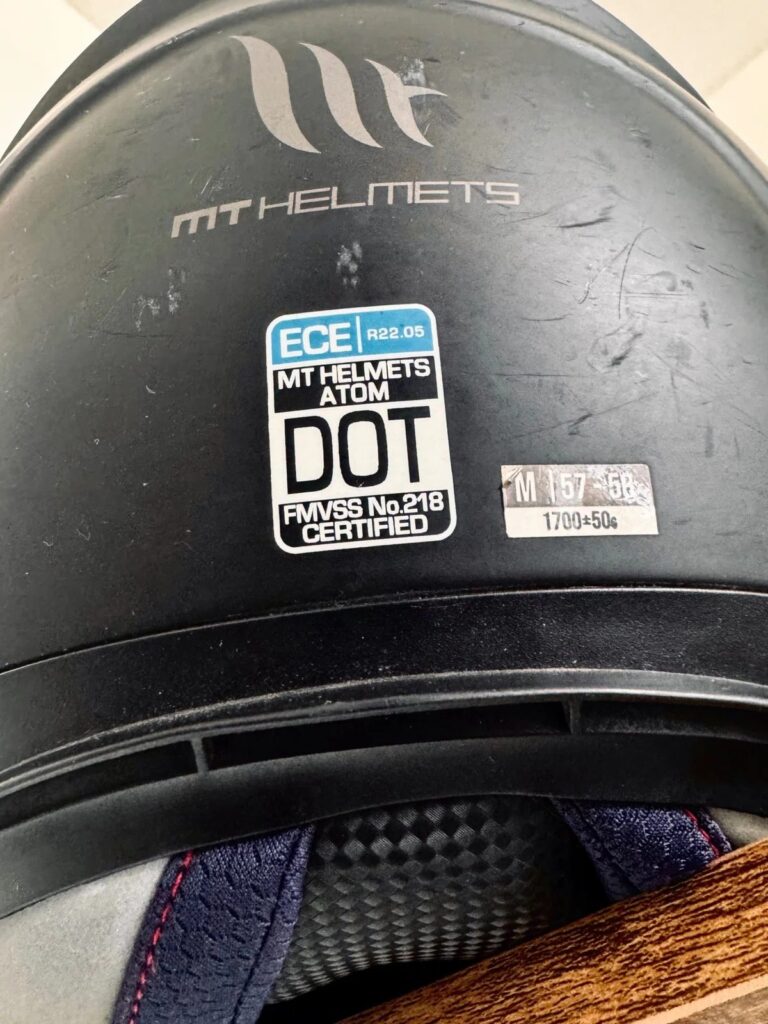
You may still see helmets marked ECE 22.05 and ECE 22.06.
ECE 22.06 is the newer standard and includes more modern testing requirements than ECE 22.05.
If you are buying a new helmet today, I would generally look for ECE 22.06 when possible.
That does not mean every ECE 22.05 helmet is automatically useless. But for a new purchase, especially as a beginner, choosing a modern ECE 22.06 approved helmet makes sense.
The more important mistake is buying a helmet without checking approval, fit, comfort, and condition.
If you are buying now, make it simple:
- Look for ECE 22.06 where possible
- Make sure the helmet fits properly
- Choose the correct type for your riding
- Avoid unknown used helmets
- Fasten the strap every ride
Your helmet is the one piece of gear you should never treat casually.
Check : Safe Motorcycle Helmet Choices
EN 17092: Motorcycle Jackets, Trousers, and Suits
Motorcycle jackets, trousers, one-piece suits, and two-piece suits are usually tested under EN 17092.
This standard classifies motorcycle protective garments into different classes.
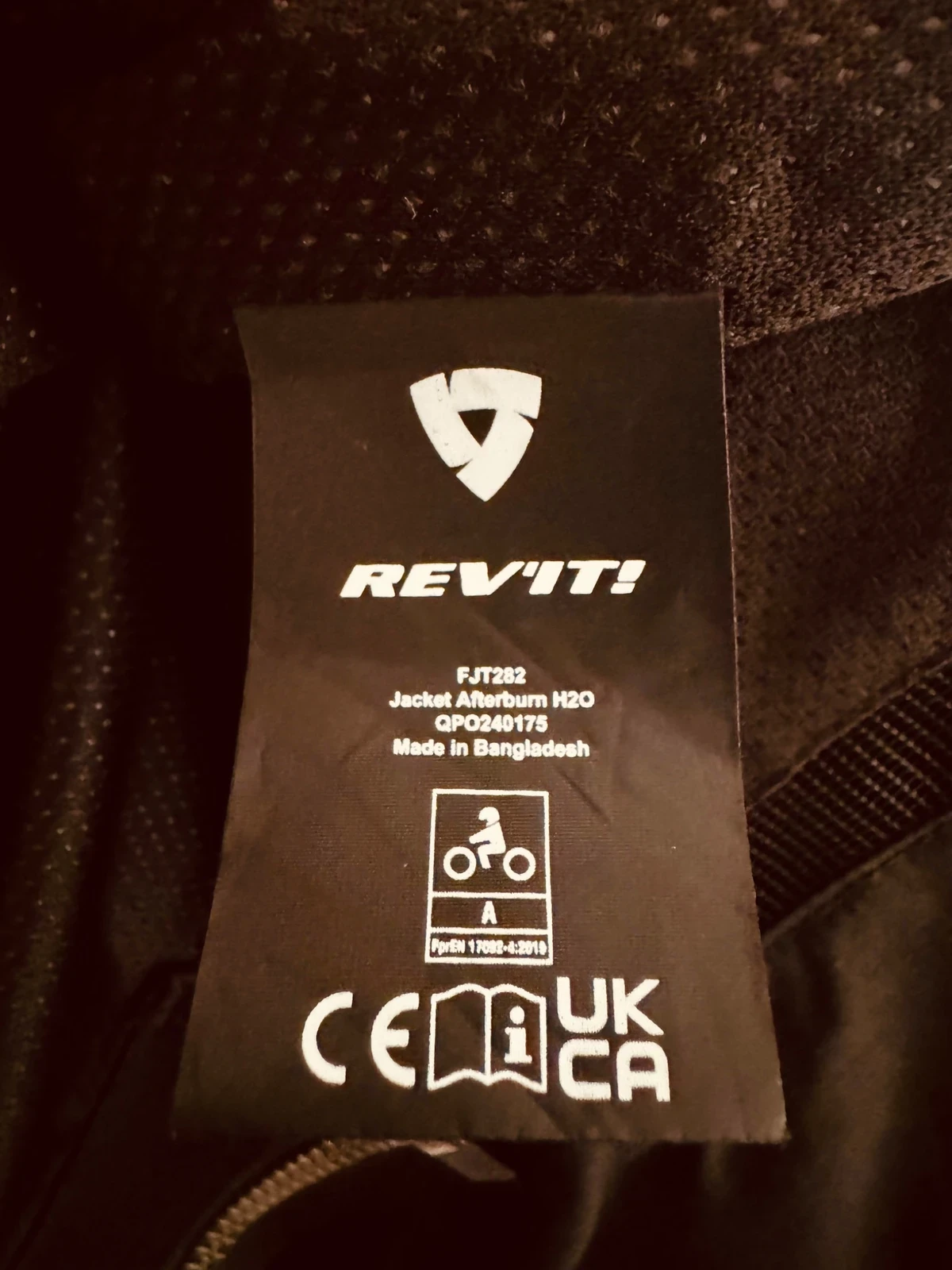
You may see:
- AAA
- AA
- A
- B
- C
These ratings help show the level and type of protection the garment is designed to provide.
The most common classes beginner riders will see are AAA, AA, and A.
In simple terms:
- AAA = highest protection class for garments
- AA = strong protection for many road riders
- A = lighter protection, often more comfort-focused
- B = abrasion protection without built-in impact protectors
- C = impact protector holder garment, usually designed to hold armor but not provide abrasion protection like normal riding clothing
This is a simplified explanation, but it helps when shopping.
If a jacket says EN 17092-AA, that tells you it has been tested as a motorcycle protective garment to AA class.
If a jacket only looks like motorcycle gear but has no certification information, be cautious.
Style is not a safety rating.
Compare AAA and AA Motorcycle Riding Jeans
AAA vs AA vs A: What Is the Difference?
The difference between AAA, AA, and A is mainly about the garment’s protective performance, especially abrasion and construction requirements.
AAA
AAA is the highest garment protection class.
It is usually found in more protective gear, often aimed at higher-risk road riding, touring, sport riding, or riders who want stronger abrasion resistance.
The trade-off is that AAA gear can be heavier, warmer, less flexible, or less casual.
AA
AA is a strong middle ground.
Many serious road jackets and trousers use AA because it balances protection and comfort better than very heavy gear.
For many everyday riders, AA can be a practical and protective choice.
A
A is lighter and usually more comfort-focused.
You may see A ratings on urban gear, summer jackets, casual riding jeans, or lighter garments.
A-rated gear can still be legitimate motorcycle protective clothing, but it generally provides a lower level of protection than AA or AAA.
The main point:
Higher rating usually means more protection, but the best choice depends on your riding.
A summer city rider may actually wear a comfortable A or AA jacket every day, while leaving a heavy AAA jacket at home because it is too hot.
Protection only works if you wear it.
Choose the highest realistic protection you will actually use consistently.
Riding in Heavy Traffic: Safety Tips for Urban Motorcyclists, because urban riders often need gear that balances protection, visibility, comfort, and daily practicality.
What Are Class B and Class C Garments?
You may also see Class B and Class C.
These are less common for beginners to understand, but they matter.
Class B
Class B garments offer abrasion protection but do not include impact protectors as part of the garment rating.
That means a Class B jacket or trouser may protect against sliding, but it may not come with armor in key areas.
If you buy Class B gear, you should understand what armor is included or missing.
Class C
Class C garments are usually designed to hold impact protectors in place.
They are not meant to provide the same kind of abrasion protection as normal motorcycle jackets or trousers.
You may see this with protector garments or armor-holder layers.
Class C can be useful as part of a protection system, but it should not be confused with a full protective road jacket unless the whole setup is designed that way.
Simple beginner rule:
For normal road riding, look mainly at AAA, AA, or A garments, and check what armor is included.
Does a CE-Rated Jacket Always Include Good Armor?
Not always in the way beginners expect.
A jacket may have a garment rating such as A, AA, or AAA, but you still need to check what protectors are included.
Look for armor in:
- Shoulders
- Elbows
- Back
- Chest if available
- Hips for trousers
- Knees for trousers
Some jackets include shoulder and elbow protectors but only a foam back pad. Some have a pocket for a back protector but do not include a real one. Some trousers include knee protectors but not hip protectors.
Do not assume.
Open the pockets. Check the labels. Read the product details.
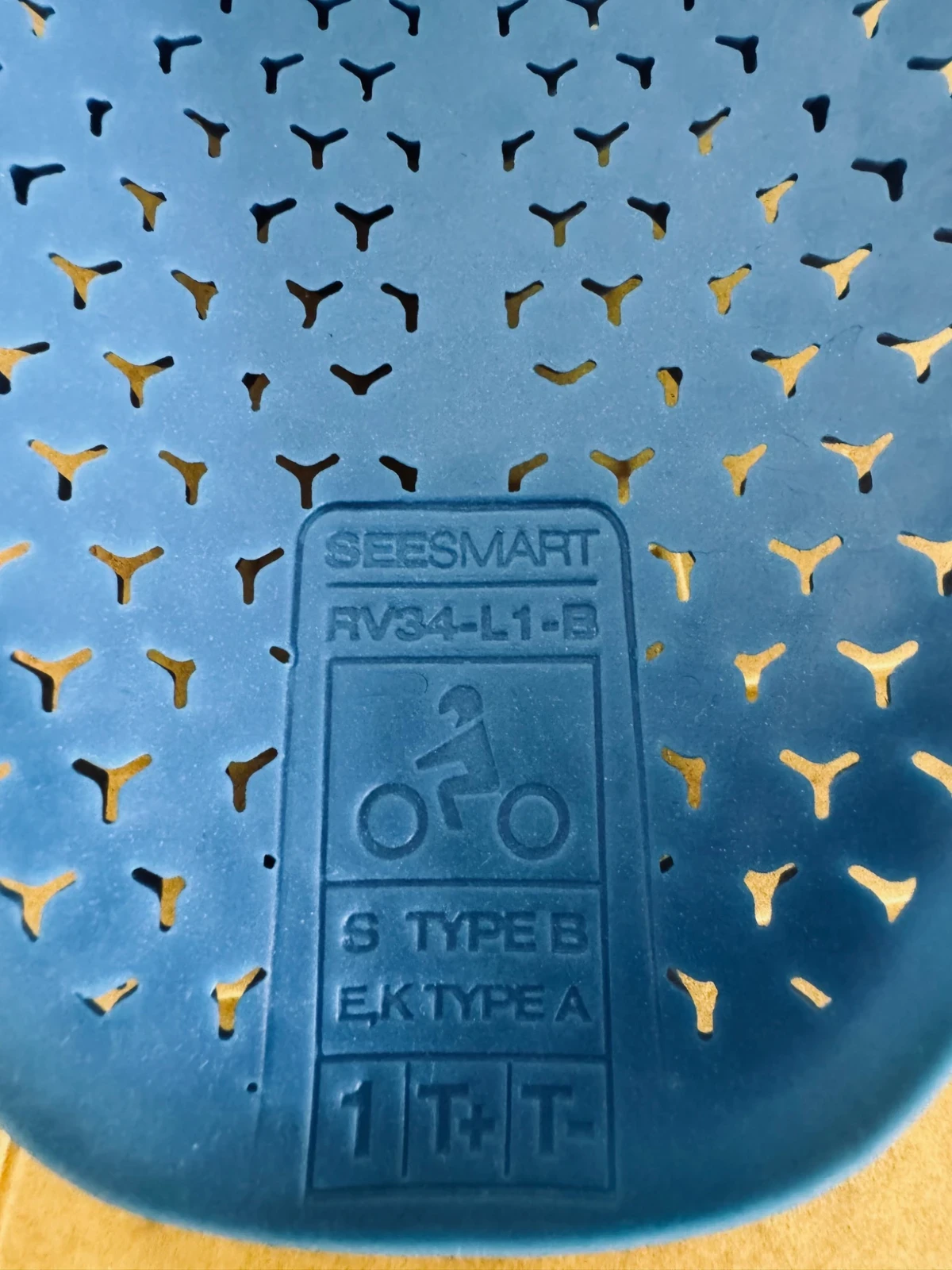
For a jacket, I would check:
- Garment class: A, AA, or AAA
- Shoulder armor level
- Elbow armor level
- Back protector included or not
- Chest protector compatibility
- Fit in riding position
For trousers, check:
- Garment class
- Knee armor level
- Hip armor included or optional
- Armor position while seated
- Abrasion zones
- Fit over boots if needed
Gear labels are useful only if you actually read them.
Check : Protective Motorcycle Jackets
EN 1621: Motorcycle Armor Ratings Explained
Motorcycle armor is usually rated under the EN 1621 family of standards.
You may see labels like:
- EN 1621-1 for limb protectors
- EN 1621-2 for back protectors
- EN 1621-3 for chest protectors
- EN 1621-4 for airbag protectors
The most common one you will see is EN 1621-1 for shoulders, elbows, hips, and knees.
Armor is usually rated as:
- CE Level 1
- CE Level 2
The level tells you how much impact force the protector transmits during testing.
In simple terms:
Level 2 armor transmits less force than Level 1 armor, so it generally offers higher impact protection.
But Level 2 can sometimes be thicker, heavier, warmer, or less flexible depending on the design.
Modern Level 2 armor can be very comfortable, but not always.
CE Level 1 vs Level 2 Armor
Here is the practical difference.
CE Level 1 Armor
Level 1 armor offers a basic tested level of impact protection.
It is often:
- Lighter
- More flexible
- Thinner
- More comfortable
- Common in entry-level gear
- Better than no armor
Level 1 can be a good starting point, especially if it means you actually wear the gear.
CE Level 2 Armor
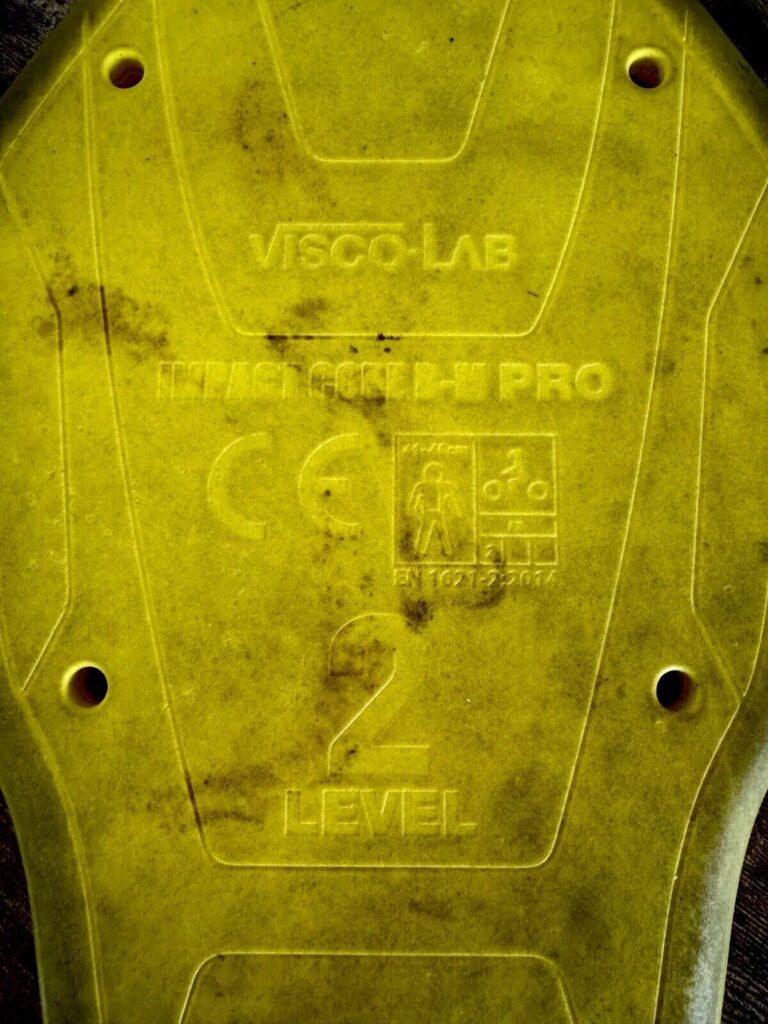
Level 2 armor offers a higher tested level of impact protection.
It is often:
- More protective
- Sometimes thicker
- Sometimes heavier
- Sometimes warmer
- A good upgrade for regular riders
- Useful for back, shoulder, elbow, knee, and hip protection
If you ride often, commute, tour, or want better protection, Level 2 armor is worth considering.
My simple recommendation:
Start with proper gear. Then upgrade key armor pieces to Level 2 over time, especially back, shoulders, elbows, knees, and hips.
You do not need to buy everything at once.
But you should know what is inside your gear.
Read : Motorcycle Safety Gear Explained
Back Protectors: Do Not Ignore This One
Back protectors deserve special attention.
Many jackets come with a thin foam insert in the back. This may feel like a protector, but it may not be a proper CE-rated back protector.
Check the label.
A proper back protector usually references EN 1621-2 and will show Level 1 or Level 2.
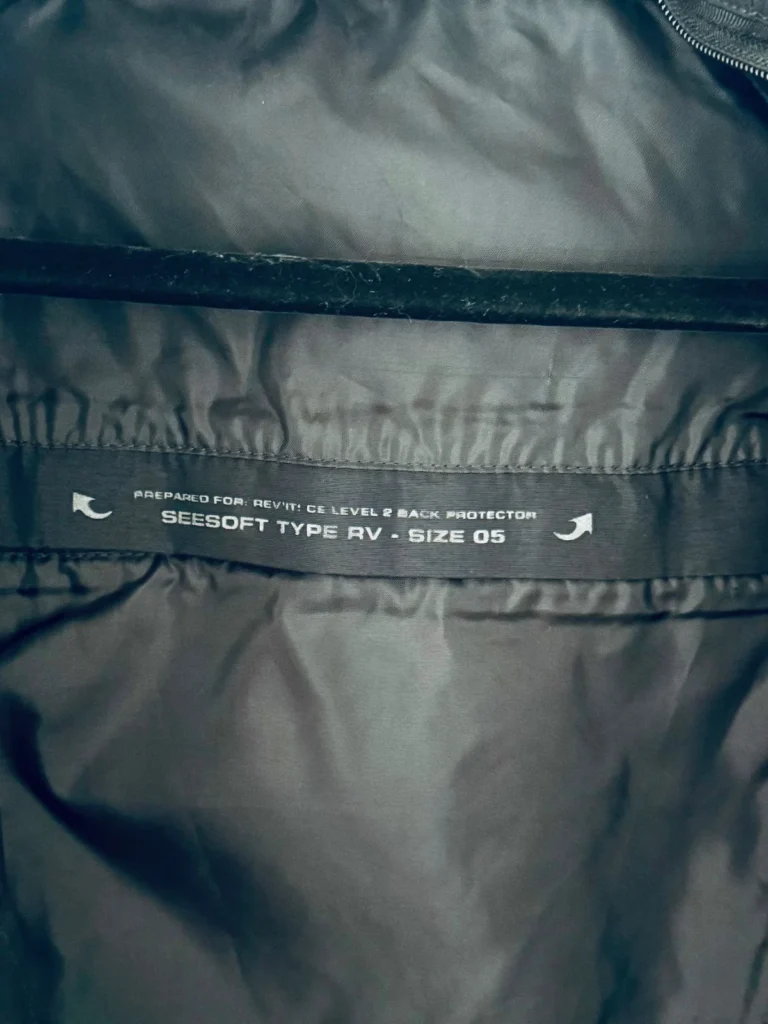
Back protectors can be:
- Insert protectors inside the jacket
- Separate strap-on back protectors
- Built into airbag systems
- Part of advanced protective gear
If your jacket only has a foam pad, consider upgrading it.
A real back protector is one of the simplest safety upgrades you can make.
It is not the most exciting purchase.
But it matters.
Shoulder, Elbow, Knee, and Hip Armor
Shoulders, elbows, knees, and hips are common impact zones.
That is why armor placement matters.
Good armor should:
- Sit over the correct body part
- Stay in place while riding
- Stay in place during movement
- Feel comfortable enough to wear
- Fit the pocket properly
- Not shift away when seated
A common mistake is buying gear that technically has armor, but the armor moves around too much.
If your knee protector sits on your shin when you are riding, it may not protect your knee properly.
If your elbow protector slides around your forearm, it may not be where you need it during impact.
Fit matters as much as the label.
When trying gear, sit in riding position.
Move your arms. Bend your knees. Reach forward like you are holding the handlebars. Check whether the armor stays where it should.
Protection that is not in the right place is not doing its full job.
EN 13594: Motorcycle Glove Ratings Explained
Motorcycle gloves have their own standard: EN 13594.
This standard is for protective gloves for motorcycle riders.
You may see:
- CE Level 1
- CE Level 2
- KP
For gloves, Level 1 and Level 2 relate to performance requirements such as abrasion resistance, seam strength, tear resistance, cut resistance, fit, cuff length, and other protective factors.
Level 2 generally indicates higher protective performance than Level 1.
The letters KP mean knuckle protection.
That is important.
Not every glove that has a CE marking automatically has hard knuckle impact protection. If knuckle protection matters to you, look for KP on the label or product description.
For beginner riders, I would look for motorcycle-specific gloves that fit well, close securely at the wrist, and provide palm reinforcement and knuckle protection where possible.
Your hands are too important to protect with fashion gloves.
How to Brake Safely on a Motorcycle: Front vs Rear Explained, because braking control depends heavily on your hands and glove feel.
What Does KP Mean on Motorcycle Gloves?
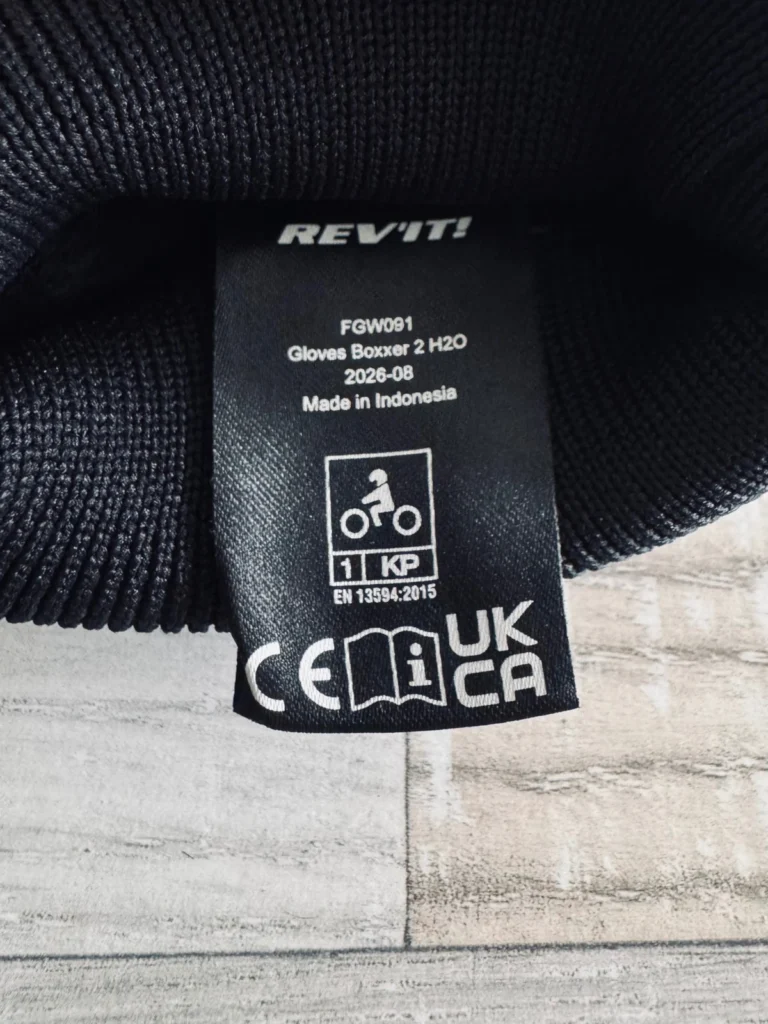
KP stands for knuckle protection.
If gloves are marked with KP, it means the knuckle area has been tested for impact protection as part of the glove’s certification.
This is useful because your hands are exposed in a fall.
A good glove should protect:
- Palm
- Knuckles
- Fingers
- Wrist
- Thumb area
- Outer edge of hand
- Skin during a slide
The palm is especially important because riders often put their hands out instinctively during a fall.
Look for gloves with:
- Reinforced palm
- Secure wrist closure
- Strong stitching
- Abrasion-resistant material
- Good throttle feel
- Knuckle protection if possible
- Proper fit
A glove that is protective but too bulky can reduce control.
A glove that feels comfortable but offers no protection is not enough.
You need both.
Protection and feel.
Check : Motorcycle Gloves For Protection
Are Boots CE Rated Too?
Yes, motorcycle boots can also have CE ratings, usually under standards for motorcycle footwear.
You may see markings showing performance levels for things like:
- Abrasion resistance
- Impact cut resistance
- Transverse rigidity
- Height
- Water resistance if applicable
This article focuses mainly on helmets, jackets, gloves, and armor, but boots matter a lot.
Your feet and ankles are vulnerable in a crash, during a drop, or even during awkward low-speed handling.
When buying boots, do not look only at style.
Check for:
- Ankle protection
- Toe protection
- Heel protection
- Strong sole
- Secure closure
- Grip
- Motorcycle-specific certification
- Comfort for your riding style
How to Read a Motorcycle Gear Label
When checking a piece of motorcycle gear, look for these details.
For Helmets
Look for:
- ECE 22.06 or other relevant motorcycle helmet approval
- Approval label on or near chin strap
- Correct size
- Correct fit
- Condition
- Visor approval where applicable
For Jackets and Trousers
Look for:
- EN 17092
- Class AAA, AA, A, B, or C
- Armor included or optional
- Shoulder and elbow protection
- Knee and hip protection for trousers
- Back protector included or pocket only
- Fit in riding position
For Gloves
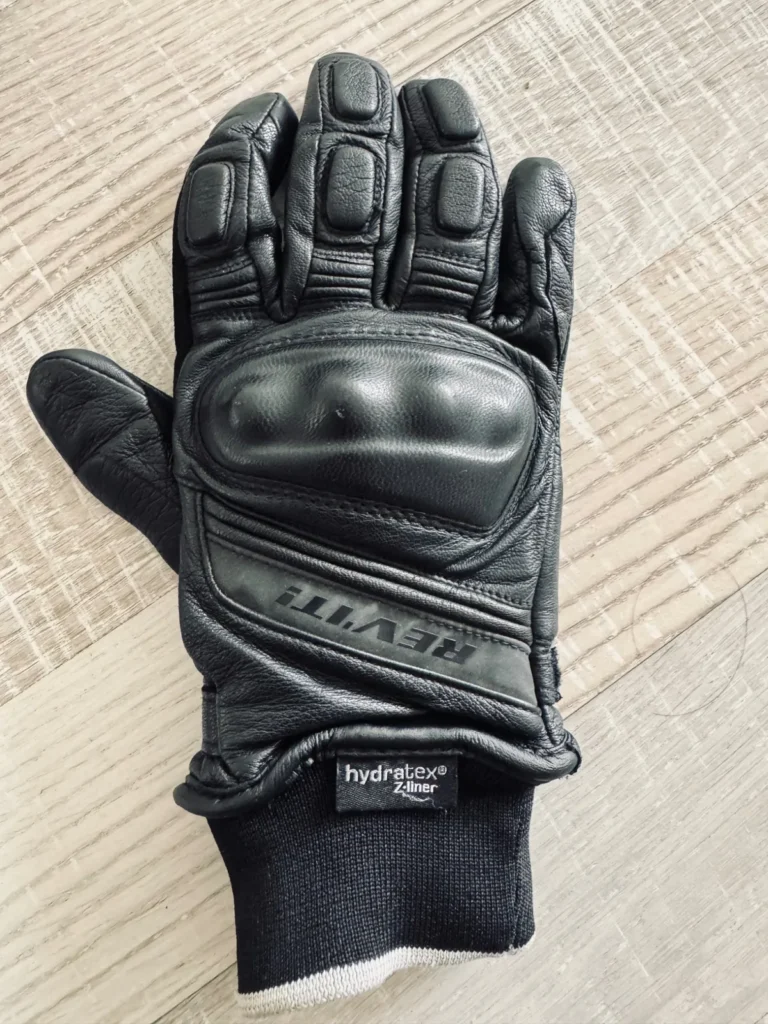
Look for:
- EN 13594
- Level 1 or Level 2
- KP if knuckle protection is included
- Palm reinforcement
- Secure wrist closure
- Fit and control feel
For Armor
Look for:
- EN 1621 marking
- Level 1 or Level 2
- Correct body zone
- Correct size
- Proper placement inside gear
- Comfort and flexibility
The more you understand labels, the less you need to rely on marketing language.
A product page may say “protective.”
The label tells you what it was actually tested for.
Common Mistakes
Mistake 1: Thinking CE Means All Gear Is Equally Protective
CE is not one universal protection level.
Better habit: check the specific standard and rating.
Mistake 2: Confusing Helmet and Clothing Standards
Helmets use helmet-specific approval standards such as ECE 22.06, while clothing and armor use CE/PPE standards.
Better habit: read helmet labels separately from jacket and armor labels.
Mistake 3: Buying A-Rated Gear Thinking It Is the Highest Rating
For garments, AAA is higher than AA, and AA is higher than A.
Better habit: understand the class before buying.
Mistake 4: Ignoring Armor Level
A jacket may look strong, but the armor inside may be Level 1, basic, missing, or optional.
Better habit: check each protector individually.
Mistake 5: Forgetting the Back Protector
Many jackets do not include a proper back protector.
Better habit: open the back pocket and check what is inside.
Mistake 6: Buying Gloves Without Checking KP
Gloves may not have tested knuckle protection unless marked accordingly.
Better habit: look for KP if knuckle protection matters to you.
Mistake 7: Choosing Protection You Will Not Wear
The most protective gear in your closet does nothing if it stays there.
Better habit: choose the highest protection you will actually wear consistently.
How Much Protection Do Beginner Riders Need?
Beginner riders sometimes ask:
“Do I really need high-rated gear if I am only riding slowly?”
I understand the question.
But beginner riders are also the ones still building braking, balance, road positioning, traffic awareness, cornering, and hazard response.
Low speed does not mean no risk.
A fall at city speed can still hurt.
A short ride can still surprise you.
A familiar road can still go wrong.
A simple mistake can still put you on the ground.
For beginner riders, I recommend:
- Approved helmet, ideally modern ECE 22.06 when buying new
- Jacket with at least A or AA rating, preferably AA if practical
- Motorcycle gloves certified to EN 13594
- Proper riding pants or jeans with knee and hip protection
- CE armor in shoulders, elbows, knees, and hips
- Real back protector if your jacket does not include one
- Motorcycle boots, not sneakers
You do not need to buy the most expensive gear immediately.
But you should avoid pretending casual clothing is protective motorcycle gear.
Read : Top 10 Motorcycle Safety Tips Every Rider Should Know
Protection vs Comfort: The Real-World Balance
Higher protection is good, but comfort matters too.
If gear is too hot, stiff, heavy, or annoying, riders may stop wearing it. That creates a different safety problem.
The real goal is:
The highest protection you will actually wear every ride.
For example:
A very protective AAA jacket may be excellent for touring or faster roads, but if it is too hot for your daily summer commute, you might avoid it.
A lighter AA or A jacket with proper armor may be more realistic for city riding if you actually wear it consistently.
This does not mean choosing weak gear.
It means choosing honest gear for your riding.
Ask:
- Where do I ride most?
- How fast do I usually ride?
- What weather do I ride in?
- Will I wear this every time?
- Does it fit properly?
- Does the armor stay in place?
- Can I move comfortably?
- Is the rating suitable for my risk level?
Protection that matches your real riding is better than fantasy gear that stays unused.
My Simple Buying Rule
When buying motorcycle gear, I use a simple rule:
Fit first. Certification second. Comfort third. Style last.
Certification does not automatically mean buying premium-priced gear.
To see how these principles translate into an actual shopping basket, I have put together certified beginner motorcycle gear on a €500 budget.
Actually, fit and certification work together.
A certified jacket that fits badly may not keep armor in the right place.
A certified helmet that is too loose is not ideal.
Certified gloves that are too bulky may affect control.
A back protector that does not fit your jacket properly may shift around.
So when buying gear, check:
- Is it made for motorcycle use?
- What standard is it tested to?
- What level or class is it?
- Does it fit me in riding position?
- Does the protection stay where it should?
- Can I wear it comfortably?
- Will I actually use it every ride?
If the answer is yes, you are making a smarter choice.
If not, keep looking.
CE Ratings Checklist for Motorcycle Gear
Use this checklist when shopping:
- Does the helmet have ECE 22.06 or relevant motorcycle approval?
- Does the helmet fit properly?
- Does the jacket show EN 17092?
- Is the jacket rated AAA, AA, A, B, or C?
- Does the jacket include shoulder and elbow armor?
- Does the jacket include a real back protector or only a foam pad?
- Do the trousers show EN 17092?
- Do the trousers include knee and hip armor?
- Are the gloves certified to EN 13594?
- Do the gloves show Level 1 or Level 2?
- Do the gloves include KP knuckle protection?
- Does the armor show EN 1621?
- Is the armor Level 1 or Level 2?
- Does the armor stay in place while seated on the bike?
- Is the gear comfortable enough to wear every ride?
This checklist is simple, but it changes how you shop.
You stop buying only by looks.
You start buying by protection, fit, and actual use.
Final Thoughts: Labels Do Not Ride for You, But They Matter
CE ratings and helmet standards can feel technical at first.
But once you understand the basics, they become useful.
ECE 22.06 tells you about helmet approval.
EN 17092 tells you about motorcycle jackets, trousers, and suits.
AAA, AA, and A help compare garment protection levels.
EN 13594 tells you about motorcycle gloves.
KP tells you about knuckle protection.
EN 1621 tells you about armor.
Level 1 and Level 2 help compare impact protection.
These labels do not make you invincible.
They do not replace safe speed, good braking, smart lane positioning, or defensive riding.
But they help you choose gear that has actually been tested for motorcycle use.
That matters.
When I look at gear now, I do not only ask, “Does this look good?”
I ask:
What is it rated for?
What does it protect?
What is missing?
Does it fit properly?
Will I wear it every ride?
That is the rider mindset.
Not fear.
Respect.
Respect for the road.
Respect for your body.
Respect for the fact that gear is your final layer when everything else has gone wrong.
Choose smart. Ride smart. Come home safe.
FAQs
What does CE mean on motorcycle gear?
CE on motorcycle gear means the product has been assessed under relevant European protective equipment requirements. You should also check the specific standard, such as EN 17092 for jackets, EN 13594 for gloves, or EN 1621 for armor.
Are motorcycle helmets CE rated?
Motorcycle helmets are usually approved under helmet-specific standards such as ECE 22.06 in Europe. Jackets, trousers, gloves, and armor use CE/PPE standards.
What is ECE 22.06?
ECE 22.06 is a modern motorcycle helmet approval standard under UN Regulation No. 22. It is used to show that a helmet has been tested and approved for motorcycle use.
What does EN 17092 mean?
EN 17092 is the European standard for motorcycle protective garments such as jackets, trousers, and suits. It includes classes such as AAA, AA, A, B, and C.
Is AAA better than AA motorcycle gear?
Yes, AAA is a higher garment protection class than AA, and AA is higher than A. Higher classes generally mean stronger protective performance, but often with trade-offs in comfort, weight, ventilation, or flexibility.
What is CE Level 1 vs Level 2 armor?
CE Level 1 armor provides a basic tested level of impact protection. CE Level 2 armor generally transmits less impact force in testing and offers higher protection, but it may be thicker or less flexible depending on design.
What does KP mean on motorcycle gloves?
KP means knuckle protection. Gloves marked with KP have tested knuckle impact protection as part of their motorcycle glove certification.
Should beginners buy Level 2 armor?
Level 2 armor is a smart upgrade for riders who want higher impact protection, especially for back, shoulders, elbows, knees, and hips. Beginners can start with proper certified gear and upgrade key protectors over time.
Related Reads
Motorcycle Safety Gear Explained: What Each Piece Actually Does
How to Choose the Right Motorcycle Helmet Size: Beginner Fit Guide
Motorcycle Safety for Beginners: The Complete Guide to Riding Smart
Top 10 Motorcycle Safety Tips Every Rider Should Know
How to Brake Safely on a Motorcycle: Front vs Rear Explained