Motorcycle safety gear is one of those topics every rider talks about, but not every beginner fully understands.
Most new riders know they need a helmet. Many know they should wear gloves and a jacket. But beyond that, things can get confusing quickly.
What does a motorcycle jacket actually protect?
Are motorcycle jeans really different from normal jeans?
Why do gloves matter so much?
Are riding boots necessary for short rides?
Do you really need earplugs?
And how much gear is enough?
When you are new to riding, it is easy to think of gear as something you buy after choosing the motorcycle. But safety gear is not an accessory. It is part of the riding system.
Your motorcycle gives you freedom.
Your gear gives your body a better chance if that freedom goes wrong.
This article explains motorcycle safety gear in a simple, practical way — what each piece does, why it matters, and how beginner riders should think about protection without getting overwhelmed.
If you are still building your riding foundation, start with : Motorcycle Safety for Beginners: The Complete Guide
Gear is one of the first safety habits every rider should understand.
Quick Answer
What Motorcycle Safety Gear Do You Really Need?
The essential motorcycle safety gear every rider should wear includes a properly fitted helmet, motorcycle jacket, gloves, riding pants, and motorcycle boots. These protect your head, hands, skin, joints, feet, and ankles. Earplugs, back protectors, rain gear, and visibility features can add extra comfort and safety depending on your riding style.
The goal is not to look like a racer.
The goal is to protect the parts of your body that are most likely to hit the road first.
Why Motorcycle Safety Gear Matters
On a motorcycle, your body is exposed.
There is no seatbelt.
No metal cage.
No door.
No roof.
No crumple zone around you.
That does not mean riding has to be scary, but it does mean you need to take protection seriously.
Motorcycle gear helps with three main things:
- Impact protection
- Abrasion protection
- Weather and comfort protection
Impact protection helps reduce injury when your body hits the road, another vehicle, or the motorcycle itself.
Abrasion protection helps protect your skin if you slide across the road surface.
Weather and comfort protection help you stay warm, dry, focused, and less fatigued.
That last part matters more than beginners realize.
Cold hands can affect braking and throttle control.
Wet clothes can distract you.
Wind noise can make you tired.
Uncomfortable gear can reduce focus.
Poor footwear can make stopping and balancing harder.
Good gear is not only for crashes.
Good gear helps you ride better before anything goes wrong.
This is why defensive motorcycle riding is important.
Safe riding is both preparation and decision-making.
Check : Top 10 Motorcycle Safety Tips Every Rider Should Know
Gear Does Not Make You Invincible
Before we go piece by piece, this is important:
Motorcycle safety gear reduces risk. It does not remove risk.
A good helmet does not make reckless riding safe.
A protective jacket does not fix bad corner entry.
Armored gloves do not replace braking practice.
Strong boots do not make heavy traffic harmless.
Gear is your last layer of defense.
Your first layer is awareness.
Your second layer is space.
Your third layer is skill.
Your fourth layer is judgment.
Your final layer is gear.
You want all of them working together.
So wear proper gear, but still ride like your safety depends on your decisions — because it does.
Read : What To Do After A Crash
Helmet: Protecting Your Head and Brain
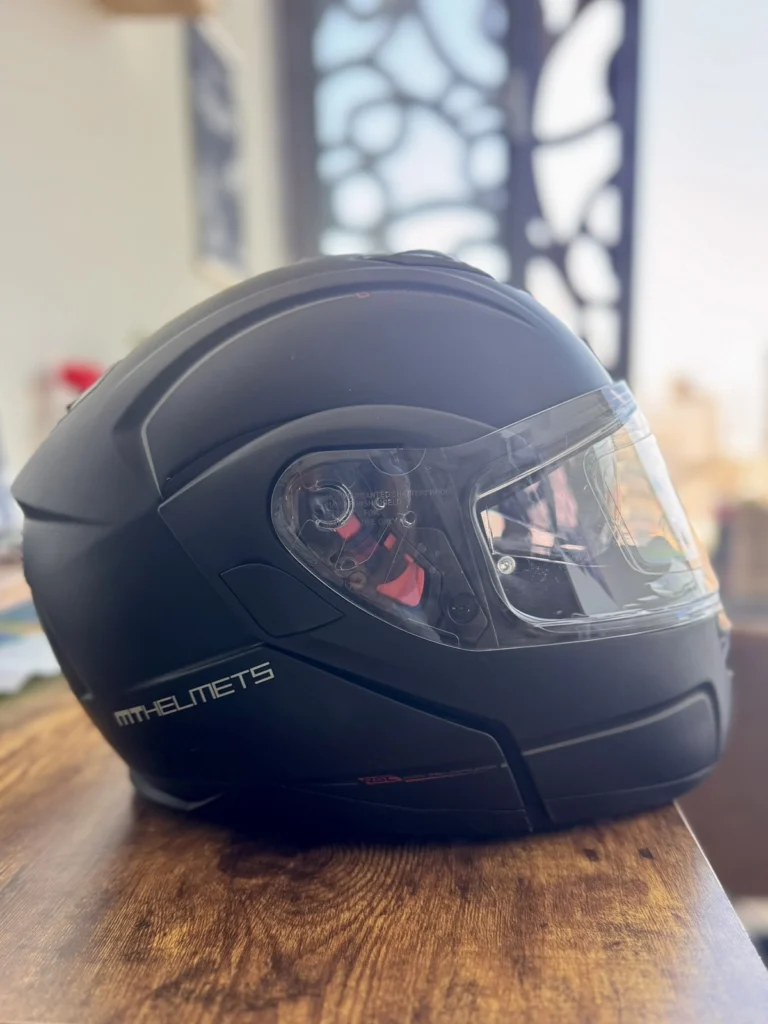
Your helmet is the most important piece of motorcycle safety gear you own.
It protects your head during impact and helps reduce the risk of serious head injury. It also protects your face, eyes, and hearing from wind, insects, dust, rain, debris, and cold air.
A good helmet should:
- Fit snugly
- Stay stable on your head
- Meet the required safety standard in your region
- Have a secure chin strap
- Give good visibility
- Feel comfortable enough to wear every ride
- Work well with your visor or glasses if needed
The most important thing is fit.
An expensive helmet that fits badly is not better than a more affordable helmet that fits properly. A loose helmet can move around. A painful helmet can distract you. A noisy helmet can make longer rides tiring.
When trying a helmet, check for pressure points, movement, cheek fit, forehead comfort, visor clarity, and whether it feels secure when you move your head.
Also think about the type of helmet.
A full-face helmet usually gives the most complete coverage because it protects the chin and face area as well as the skull. Modular helmets can be convenient for touring or commuting, but should still fit properly and be used correctly. Open-face helmets give less coverage, especially around the chin and face.
For beginner riders, I would usually recommend starting with a good full-face helmet.
Your head deserves the best protection you can reasonably afford.
Visor: Protecting Your Eyes and Visibility
The visor is easy to overlook, but it plays a big role in safety.
Your visor protects your eyes from:
- Wind
- Rain
- Dust
- Insects
- Road debris
- Cold air
- Sun glare depending on visor type
Clear vision is safety.
If your visor is scratched, dirty, fogged, or too dark for the conditions, your riding becomes more dangerous.
Keep your visor clean. Carry a microfiber cloth if needed. Use an anti-fog insert or anti-fog treatment if your helmet supports it. Avoid using a dark visor at night or in low visibility.
A beginner mistake is thinking the visor is only about comfort.
It is not.
If you cannot see clearly, you cannot ride safely.
Learn : Motorcycle Vision Techniques
Jacket: Protecting Skin, Shoulders, Elbows, Chest, and Back
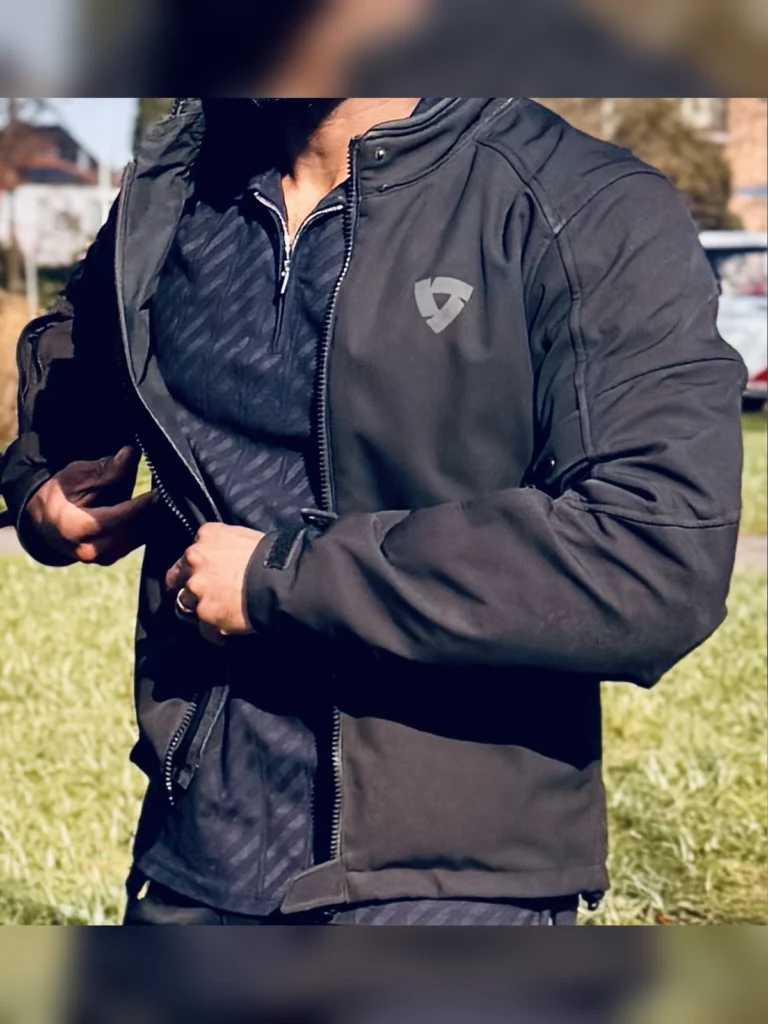
A motorcycle jacket does much more than make you look like a rider.
It protects your upper body from abrasion, impact, weather, and wind fatigue.
A proper motorcycle jacket usually protects:
- Shoulders
- Elbows
- Forearms
- Back
- Chest area depending on design
- Skin during a slide
- Body temperature in wind or rain
The two main things to look for are abrasion resistance and armor.
Abrasion resistance helps protect your skin if you slide. Regular fashion jackets are not made for this. A normal hoodie or casual jacket can tear quickly on asphalt.
Armor helps protect impact zones such as shoulders, elbows, and back. Some jackets include basic armor. Others allow you to upgrade or add a back protector or chest protector.
A good jacket should fit properly. If it is too loose, the armor may move away from the areas it is supposed to protect. If it is too tight, it may restrict movement and become uncomfortable.
For daily riding, a textile jacket can be practical because it often handles different weather conditions better. Leather can offer strong abrasion resistance but may be less convenient in rain or changing seasons unless designed for it.
The best jacket is one that protects you and that you will actually wear consistently.
Not just on weekend rides.
Every ride.
Check : Motorcycle Jackets For Protection
Back Protector: The Upgrade Many Riders Forget
Many motorcycle jackets come with a basic foam insert in the back, but not all of them include a proper protective back protector.
This is worth checking.
A real back protector is designed to help absorb impact and protect your spine area better than a thin comfort pad.
You can use:
- A back protector insert inside your jacket
- A separate strap-on back protector
- An airbag vest or airbag jacket
- A jacket with integrated protection
For beginner riders, the simplest option is usually to upgrade the back protector insert in your jacket if it does not already have proper protection.
Do not assume your jacket has full back protection just because it has a pocket in the back.
Open it. Check what is inside.
Small gear checks like this are part of building a safer riding habit : Motorcycle Safety / Pre-Ride Checklist
Gloves: Protecting Your Hands and Control
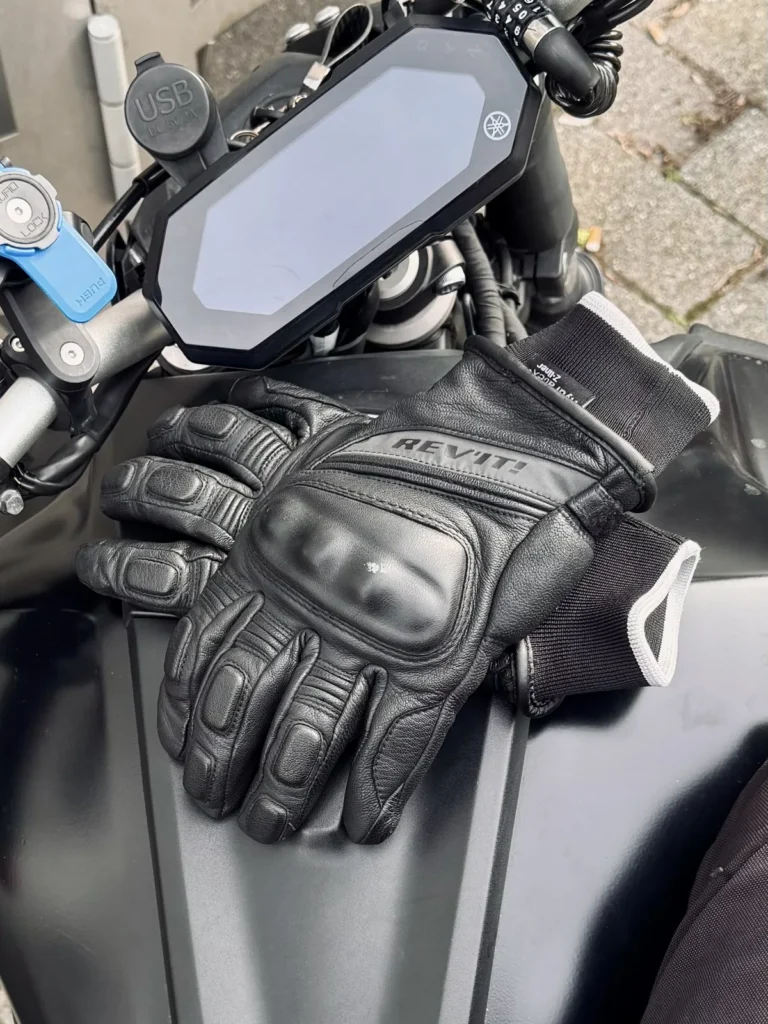
Gloves are one of the most important pieces of motorcycle gear.
If you fall, your hands are usually one of the first things you put out instinctively. That means your palms, fingers, knuckles, and wrists are exposed.
Good motorcycle gloves protect:
- Palms
- Knuckles
- Fingers
- Wrists
- Skin during a slide
- Grip and control
- Hands from cold and rain
Regular gloves are not enough.
Fashion gloves, gym gloves, or winter gloves are not designed for sliding on asphalt. They may feel warm or comfortable, but they usually do not offer the right protection.
Motorcycle gloves should fit well and allow good feel on the throttle, brake, clutch, and switches.
If gloves are too bulky, they can reduce control.
If they are too loose, they can move around.
If they are too thin, they may not protect enough.
If they do not close properly at the wrist, they may come off in a crash.
Look for reinforced palms, knuckle protection, secure wrist closure, and comfort for your riding conditions.
For winter riding, warmth matters because cold fingers reduce control.
For summer riding, ventilation matters because sweaty hands can become uncomfortable.
Gloves are not optional.
Your hands control the motorcycle.
Protect them.
Check : Motorcycle Gloves For Protection
Learn : How to Brake Safely on a Motorcycle: Front vs Rear Explained
Pants: Protecting Hips, Knees, and Skin
Many riders wear a helmet, jacket, and gloves — then ride in normal jeans.
I understand why. Normal jeans are comfortable, familiar, and easy. But they are not proper motorcycle protection.
Motorcycle pants or riding jeans are designed to protect your legs from abrasion and impact.
They usually protect:
- Knees
- Hips
- Thighs
- Skin during a slide
- Lower body from wind and weather
The knees and hips are common impact areas in a fall. If your pants include armor, make sure it sits in the right place when you are actually on the motorcycle.
That part matters.
Armor may feel correctly positioned while standing, but shift when you sit on the bike. Try the pants in a riding position if possible.
There are different types of riding pants:
- Motorcycle jeans
- Textile touring pants
- Leather pants
- Overpants
- Waterproof pants
- Mesh pants for warm weather
For beginner and daily riders, motorcycle jeans can be a realistic starting point because they look casual but offer much better protection than normal jeans.
The key is simple:
Do not treat your legs as less important than your upper body.
A slide does not care that you were only going for a short ride.
Check : Protective Motorcycle Jeans & Trousers
Boots: Protecting Feet, Ankles, and Stability
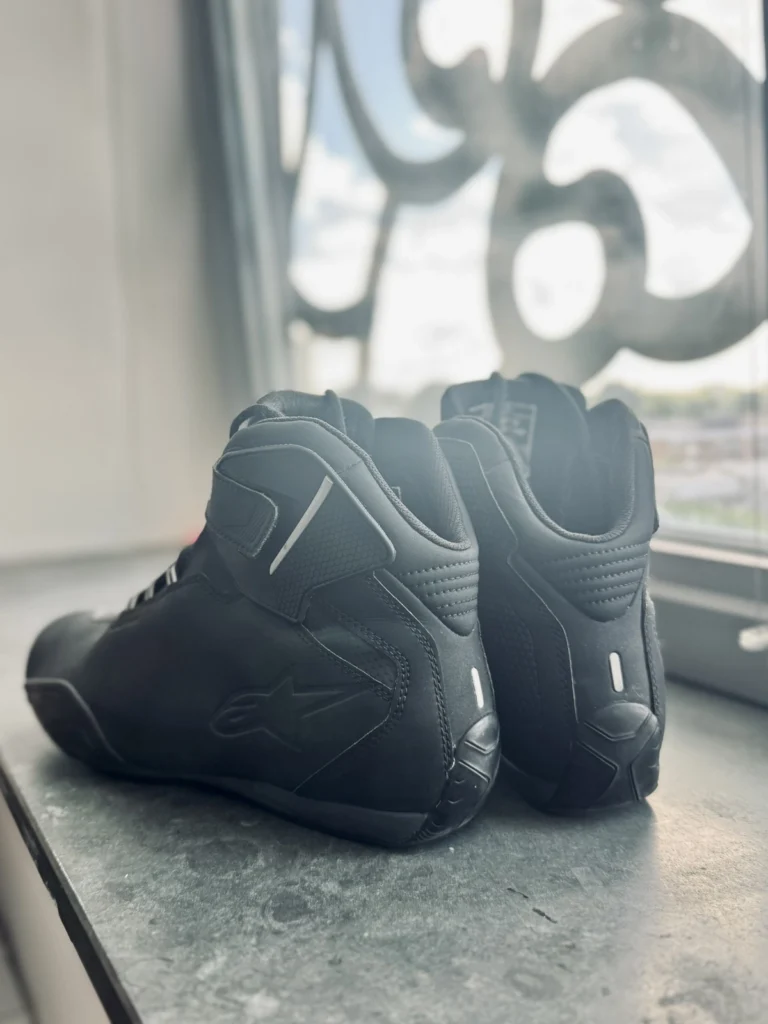
Motorcycle boots are another piece of gear beginners sometimes delay buying.
But your feet and ankles are vulnerable.
In a fall, your foot can twist, get trapped, hit the road, or be crushed under the motorcycle. Even at low speeds, a dropped bike can injure your foot or ankle if you are wearing weak shoes.
Motorcycle boots help protect:
- Ankles
- Toes
- Heels
- Soles
- Shins depending on boot height
- Feet from twisting
- Grip when stopping
- Stability when handling the bike
Regular sneakers are not designed for motorcycle crashes. They can tear, slip off, or offer very little ankle support.
Good motorcycle boots should have:
- Ankle protection
- Strong sole
- Toe protection
- Heel protection
- Secure closure
- Good grip
- Comfortable walking ability if needed
For commuting and casual riding, short motorcycle boots may be more comfortable. For touring or more protection, taller boots can offer better coverage.
The right boot depends on your riding style, but the principle stays the same:
Your feet help you stop, balance, move the bike, and recover from small mistakes.
Protect them.
Check : Motorcycle Boots For Road and Touring
Earplugs: Protecting Your Hearing and Focus
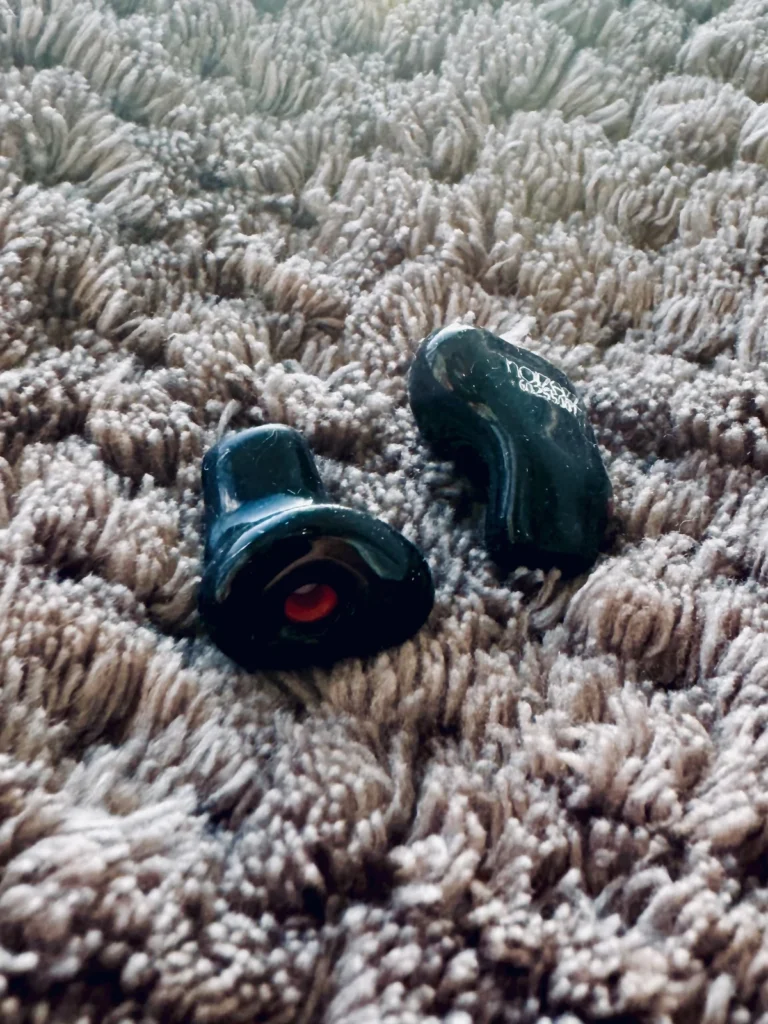
Earplugs may not seem like safety gear at first.
But they matter.
At riding speeds, wind noise can become tiring and potentially harmful over time. Even with a good helmet, wind noise can build up and create fatigue.
Fatigue affects safety.
When you are tired, your attention drops. Your reactions slow. Your patience reduces. You become less smooth.
Earplugs help reduce harsh wind noise while still allowing you to hear important traffic sounds. They make longer rides calmer and help protect your hearing.
Many beginner riders think earplugs will make them disconnected from the road.
In my experience, good motorcycle earplugs do the opposite. They reduce the tiring noise and help you stay more focused.
For short city rides, you may not always think about them. For longer rides, highways, or windy days, they are absolutely worth using.
Comfort is important here. Try different types until you find what works for your ears and helmet.
Armor: What It Actually Does
Motorcycle armor is designed to absorb and spread impact energy.
It is usually placed at common impact zones:
- Shoulders
- Elbows
- Back
- Chest
- Hips
- Knees
- Shins
Armor does not make you unbreakable. But it can reduce the force your body receives during impact.
The important thing is placement.
Armor only helps if it stays where it is supposed to be.
That means your gear needs to fit properly. If a jacket or pants are too loose, the armor can move away from your joints during a crash. If armor is uncomfortable, you may remove it or avoid wearing the gear.
Do not buy gear only by size label.
Check how it feels in riding position.
Sit on the motorcycle. Bend your arms. Bend your knees. Reach the handlebars. Move naturally. Make sure the armor stays close to the correct areas.
Protection that shifts away at the wrong moment is not doing its full job.
Rain Gear: Staying Dry Means Staying Focused
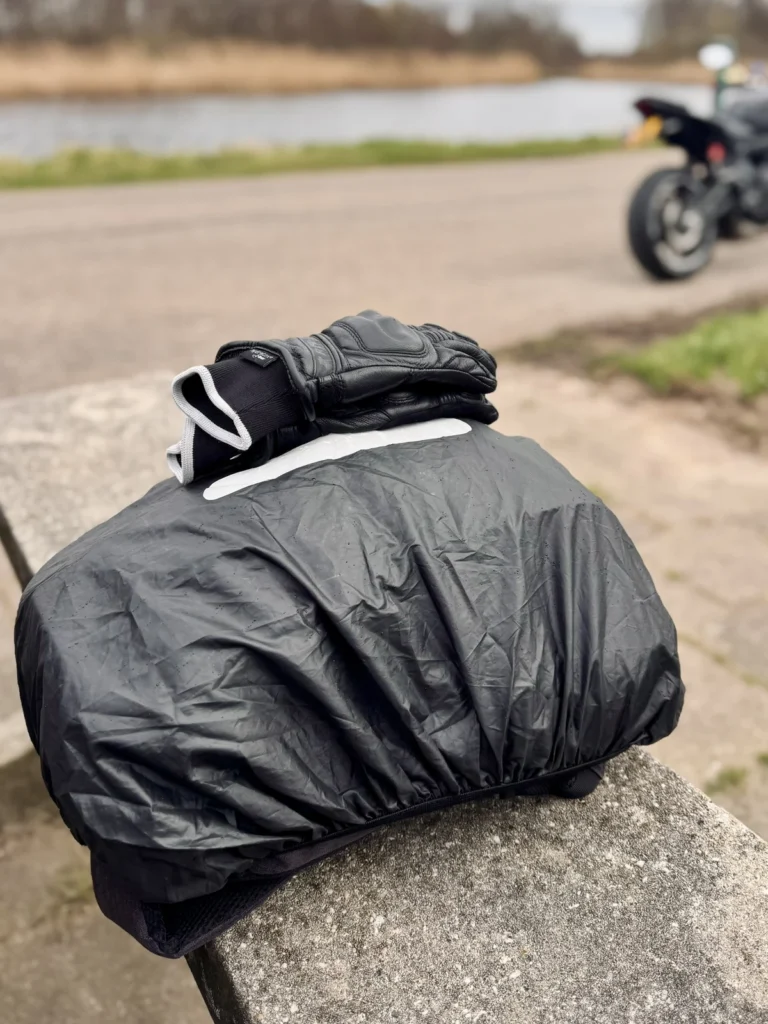
Rain gear is not only about comfort.
Being wet and cold on a motorcycle can quickly reduce focus. Your hands may become stiff. Your body may tense up. Your visor may fog. Your patience may drop.
That affects safety.
Rain gear can include:
- Waterproof jacket
- Waterproof pants
- Rain over-suit
- Waterproof gloves
- Waterproof boots
- Neck warmer
- Anti-fog visor solution
If you ride in places where weather changes quickly, rain gear is worth having.
For beginner riders, rain can already feel stressful because grip is reduced and visibility is worse. Being soaked makes that stress much harder to manage.
Good rain gear gives you one less thing to fight.
It helps you stay calm.
And calm riding is safer riding.
Visibility Gear: Helping Others Notice You
Visibility is an important part of motorcycle safety, especially in traffic, rain, darkness, and dull weather.
Visibility gear can include:
- Reflective panels
- Bright jacket sections
- Reflective strips
- High-visibility vest
- Reflective helmet details
- Auxiliary lighting where legal
- Clean lights and indicators
But remember this:
Visibility gear helps, but it does not guarantee you have been seen.
You should still ride defensively and position yourself properly.
Do not think, “I am wearing bright gear, so drivers will notice me.”
Think, “This improves my chances, but I will still ride like I might be invisible.”
That mindset is safer.
Visibility and positioning matter most when the road gets busy.
Read : Riding in Heavy Traffic: Safety Tips for Urban Motorcyclists
Base Layers: Comfort That Supports Safety
Base layers are not crash protection, but they can support comfort and focus.
A good base layer helps manage temperature and sweat. In cold weather, it keeps warmth close to your body. In warm weather, it can help with moisture and comfort depending on the material.
Why does this matter?
Because discomfort distracts you.
If you are too cold, too sweaty, too stiff, or constantly adjusting clothing, you are not fully focused on riding.
Motorcycle safety is not only about impact moments.
It is also about reducing distractions before they become problems.
For longer rides, base layers can make your gear more comfortable and your body less tired.
Airbag Vests and Jackets: Extra Protection for Serious Riders
Motorcycle airbag systems are becoming more common.
They are designed to inflate during certain crash situations and help protect areas like the chest, back, ribs, shoulders, neck area, or torso depending on the system.
Airbag protection can be built into a jacket or worn as a vest.
They are not cheap, and beginner riders may not buy one immediately. But they are worth knowing about, especially if you ride often, commute regularly, tour, or spend time on faster roads.
An airbag system does not replace a helmet, jacket, gloves, pants, or boots.
It adds another layer.
If your budget is limited, start with the essentials first. But as your riding grows, an airbag vest or jacket can become a serious upgrade to consider.
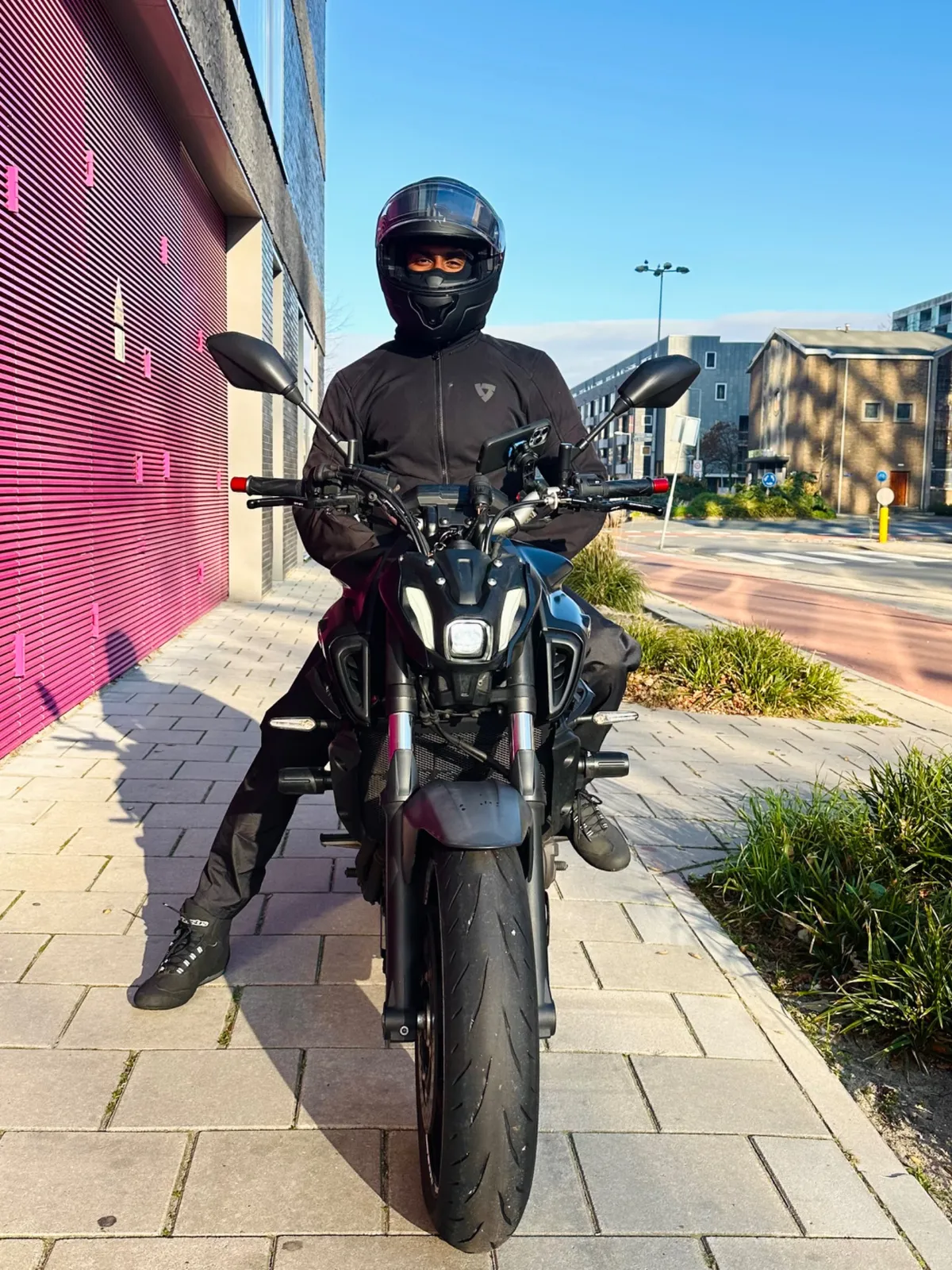
The Minimum Gear I Recommend for Beginners
If you are a beginner and feel overwhelmed, start with the essentials.
At minimum, I recommend:
- Full-face helmet
- Motorcycle gloves
- Protective motorcycle jacket
- Motorcycle pants or riding jeans
- Motorcycle boots
That is your basic riding protection.
After that, upgrade with:
- Back protector
- Earplugs
- Rain gear
- Better armor
- Visibility features
- Airbag vest or jacket
Do not wait forever to complete your gear.
But also do not let perfection stop you from making progress. Buy the best protection you can reasonably afford, then upgrade over time.
Once you understand what each item protects, use my head-to-toe motorcycle gear checklist to check that your own setup covers every major area.
If cost is what is stopping you from completing the setup, I have also built a complete beginner motorcycle gear setup under €500 using current European prices and motorcycle-specific equipment.
The priority is to stop riding in casual clothing as soon as possible.
Short Rides Still Need Gear
One of the most dangerous thoughts a rider can have is:
“I am just going nearby.”
Short rides still count.
Familiar roads still count.
Low speeds still count.
Many riders relax their standards close to home because the road feels familiar. But familiar does not mean safe. A car can still pull out. A cyclist can still move suddenly. A pedestrian can still step into the road. Gravel can still appear. You can still make a mistake.
In fact, the worst accident of my life happened within a 3 km radius of my home.
That experience changed the way I think about “quick rides.”
Now, I do not treat short rides as less deserving of preparation.
If I am getting on the motorcycle, I gear up properly.
Not because I expect something bad to happen.
Because I respect the possibility.
Comfort Matters More Than You Think
Beginner riders often focus only on protection, but comfort matters too.
If gear is uncomfortable, you are less likely to wear it.
If gloves hurt, your control suffers.
If boots are too stiff, stopping feels awkward.
If a helmet is noisy, long rides become tiring.
If a jacket restricts movement, you feel tense.
If pants do not fit properly, the armor may sit wrong.
Good gear should protect you and support your riding.
That means you should try gear carefully before buying when possible.
Check:
- Fit in riding position
- Movement
- Armor placement
- Ventilation
- Warmth
- Waterproofing
- Weight
- Noise
- Closure systems
- Compatibility with your motorcycle and riding style
The best gear is not always the most expensive.
The best gear is protective, comfortable, suitable, and worn consistently.
Common Mistakes
Mistake 1: Buying the Helmet Only for Looks
A helmet should look good, but fit and safety matter more.
A beautiful helmet that fits badly is a bad choice.
Mistake 2: Riding in Normal Jeans
Normal jeans are not designed for motorcycle crashes.
Choose motorcycle jeans or riding pants with abrasion resistance and armor.
Mistake 3: Wearing Sneakers
Sneakers offer very little ankle and foot protection.
Use proper motorcycle boots.
Mistake 4: Skipping Gloves for Short Rides
Your hands are vulnerable in even a low-speed fall.
Wear gloves every ride.
Mistake 5: Wearing Loose Gear
Loose gear may allow armor to move away from the body during impact.
Gear should fit properly in riding position.
Mistake 6: Forgetting Ear Protection
Wind noise can create fatigue and affect long-term hearing.
Use motorcycle earplugs, especially for longer or faster rides.
Mistake 7: Thinking Gear Replaces Skill
Gear protects your body, but it does not replace awareness, braking, cornering, or defensive riding.
Learn : How to Corner Safely on a Motorcycle: Step-by-Step Guide
Beginner Motorcycle Safety Gear Checklist
Use this checklist before buying or riding:
- Does my helmet fit properly?
- Is my jacket made for motorcycling?
- Does my jacket have shoulder and elbow protection?
- Do I have a real back protector?
- Are my gloves protective and secure at the wrist?
- Are my pants designed for motorcycle riding?
- Do my pants have knee and hip protection?
- Are my boots protective around the ankle?
- Do I have earplugs for longer rides?
- Do I have rain gear if the weather changes?
- Is my gear comfortable in riding position?
- Will I actually wear this gear every ride?
Good gear is not about owning everything immediately.
It is about building a complete protection system step by step.
What to Upgrade First
If your budget is limited, upgrade in this order:
- Helmet
- Gloves
- Jacket
- Boots
- Pants
- Back protector
- Earplugs
- Rain gear
- Better armor
- Airbag vest or jacket
Some riders may choose a different order depending on what they already own, but the principle is simple:
Protect the highest-risk and highest-impact areas first.
Do not spend money only on the most exciting items.
Spend money on the items that protect you every time you ride.
Final Thoughts: Gear Is Respect for the Ride
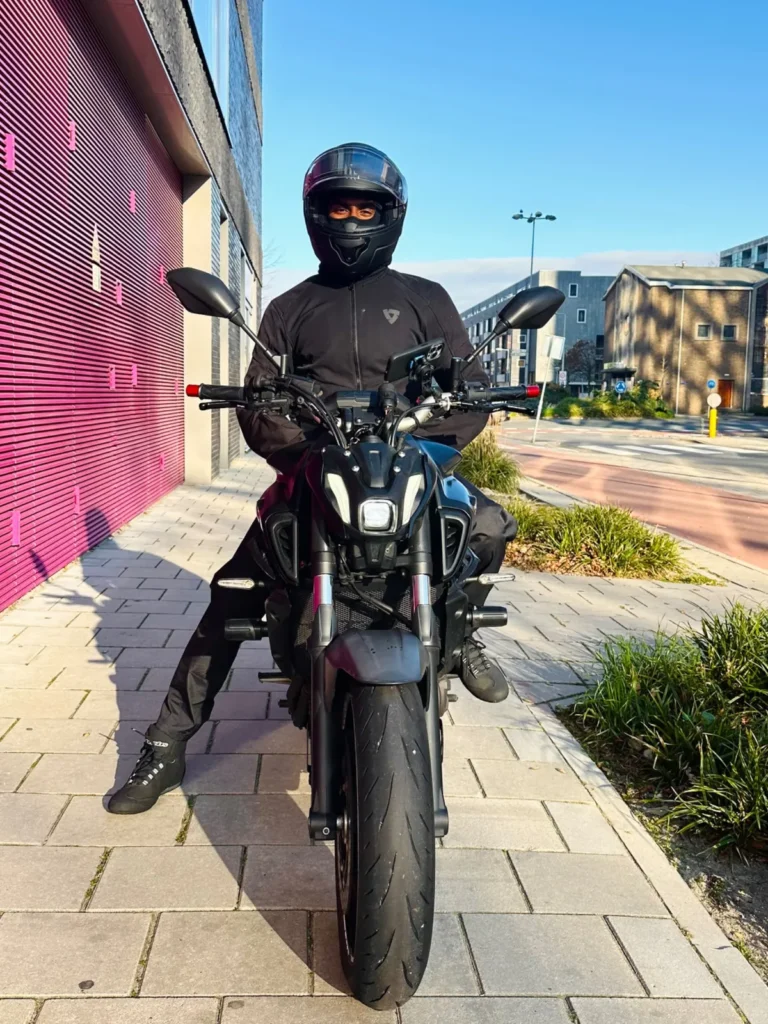
Motorcycle safety gear is not about fear.
It is about respect.
Respect for the road.
Respect for your body.
Respect for your family.
Respect for the fact that riding gives freedom, but not immunity.
You do not need to buy everything at once. You do not need to chase the most expensive brands. You do not need to look like someone else.
But you do need to take protection seriously.
A good helmet protects your head.
A good jacket protects your upper body.
Good gloves protect your hands.
Good pants protect your legs.
Good boots protect your feet and ankles.
Earplugs protect your hearing and focus.
Rain gear protects your comfort and concentration.
Together, they help you ride with more confidence.
Not because they make you invincible.
Because they give you margin.
And margin is what keeps motorcyclists alive.
So before your next ride, ask yourself:
Am I dressed for the ride I want?
Or am I dressed for the crash I hope never happens?
That question is not dramatic.
It is honest.
Ride smart. Gear up. Come home safe.
FAQs
What motorcycle safety gear do beginners need?
Beginner riders should start with a properly fitted helmet, motorcycle gloves, protective jacket, riding pants or motorcycle jeans, and motorcycle boots. These cover the most important impact and abrasion areas.
Is a motorcycle jacket really necessary?
Yes. A motorcycle jacket protects your shoulders, elbows, arms, back, chest area, and skin from impact, abrasion, wind, and weather. Normal jackets are not designed for sliding on asphalt.
Are motorcycle gloves important?
Yes. Gloves are essential because your hands are often one of the first parts of your body to touch the ground in a fall. Motorcycle gloves protect your palms, knuckles, fingers, and wrists.
Can I ride a motorcycle in normal jeans?
You can physically ride in normal jeans, but they are not proper motorcycle protection. Motorcycle jeans or riding pants are designed to resist abrasion and often include knee and hip protection.
Are motorcycle boots necessary for short rides?
Yes. Short rides still carry risk. Motorcycle boots protect your ankles, toes, heels, and feet, and give better grip and stability than normal sneakers.
Do motorcycle earplugs block traffic sounds?
Good motorcycle earplugs reduce harsh wind noise while still allowing you to hear important sounds. They can improve comfort and reduce fatigue, especially on longer rides.
Does expensive motorcycle gear mean better protection?
Not always. Fit, safety rating, construction, comfort, and correct use matter more than price alone. The best gear is protective, suitable for your riding, and worn every ride.
Related Reads
Motorcycle Safety for Beginners: The Complete Guide to Riding Smart
Top 10 Motorcycle Safety Tips Every Rider Should Know
Beginner’s Guide to Defensive Motorcycle Riding
How to Brake Safely on a Motorcycle: Front vs Rear Explained
Riding in Heavy Traffic: Safety Tips for Urban Motorcyclists