Motorcycling teaches you very quickly that control is not only about what you do with the throttle, brakes, clutch or handlebars.
Real control starts much earlier.
It starts with what you notice.
A safe rider does not wait until danger is right in front of them. A safe rider learns to read the road, understand traffic, predict mistakes and create space before things become urgent.
That is what defensive motorcycle riding is really about.
It is not riding scared. It is not riding slowly everywhere. It is not assuming every driver is terrible.
Defensive riding means accepting one simple truth:
You are more vulnerable on a motorcycle, so you need to see problems earlier than everyone else.
The better you get at anticipating danger, the less you need panic reactions. You brake smoother. You corner calmer. You position yourself better. You stop being surprised by things that were already giving you clues.
For beginner riders, this is one of the most important skills to build early.
Because on a motorcycle, the safest reaction is often the one you never need to make.
Read : Beginner Motorcycle Safety Guide
Quick Answer
What Is Defensive Motorcycle Riding?
Defensive motorcycle riding means riding in a way that helps you anticipate danger before it becomes urgent. It includes keeping space around you, staying visible, avoiding blind spots, reading traffic patterns, expecting mistakes from other road users and always leaving yourself an escape route.
Defensive riding is not about fear. It is about giving yourself more time, more space, and more options.
Why Defensive Riding Matters More on a Motorcycle
In a car, you have a seatbelt, airbags, doors, a roof and a metal structure around you.
On a motorcycle, you have your gear, your awareness, your skill and your decisions.
That does not mean motorcycles are automatically unsafe. It means the rider has to take more responsibility for risk management.
A small mistake from another road user can affect you much more seriously than it would affect someone inside a car. A driver checking their phone, a cyclist moving suddenly, a car pulling out, a pedestrian stepping into the road, a van blocking your view — all of these can become serious quickly.
Defensive riding helps you stay ahead of those moments.
It gives you time to ask:
- What could go wrong here?
- Has that driver seen me?
- Do I have enough space to stop?
- Is there an escape path?
- Am I riding in someone’s blind spot?
- Is the road surface changing?
- Am I too close to react calmly?
The goal is not to become paranoid.
The goal is to become observant.
A good defensive rider looks calm from the outside because they are constantly making small decisions early. They rarely need dramatic reactions because they rarely let situations get that far.
Defensive Riding Starts Before the Ride
Many riders think defensive riding begins once they are in traffic.
I disagree.
It starts before the ride.
If your bike is not ready, your gear is incomplete or your mind is distracted, you are already starting with less margin.
Before you ride, ask yourself three simple questions:
- Is my motorcycle ready?
- Am I properly protected?
- Is my mind ready to ride?
A tired rider reacts slower.
An angry rider takes more risks.
A distracted rider misses clues.
A rushed rider makes poor decisions.
Some of the most dangerous rides are not the dramatic ones. They are the normal ones where you are mentally somewhere else.
Before you start the bike, take a moment. Breathe. Check your gear. Check the motorcycle. Check yourself.
That small pause can change the quality of the whole ride.
Ride Like You Are Invisible
This is one of the most useful defensive riding principles:
Ride like you are invisible.
That does not mean you are actually invisible. It means you do not depend on other people seeing you.
A driver may look in your direction and still not register that you are there. Motorcycles are smaller than cars, easier to miss and often hidden by pillars, mirrors, parked vehicles or busy backgrounds.
This is especially true at:
- Junctions
- Roundabouts
- Lane changes
- Parking exits
- Traffic merges
- Urban streets
- Multi-lane roads
- Side roads
Never assume eye contact means safety.
Never assume your headlight is enough.
Never assume priority protects you.
Priority is a rule. Physics does not care.
If a car pulls out in front of you, being technically right will not soften the impact. Defensive riding means preparing for the mistake before it happens.
A good habit is to think:
What would I do if this driver moved now?
If you do not have an answer, adjust your speed or position.
Create a Safety Bubble Around Your Motorcycle
Space is safety.
The more space you have, the more time you have. The more time you have, the smoother your decisions become.
Beginner riders often focus only on the vehicle directly in front of them. But your safety bubble is all around you.
You need to think about:
- Space in front
- Space behind
- Space to your left
- Space to your right
- Space to escape
If you are boxed in, you have fewer options.
For example, imagine you are riding behind a car, with another car close behind you, a van beside you and a curb on your other side. If the car in front brakes suddenly, where do you go?
That is a bad position because you have very few choices.
A defensive rider tries to avoid getting trapped like that.
Sometimes the safest move is to slow down and create space. Sometimes it is to move gently into a better lane position. Sometimes it is to let an aggressive driver pass. Sometimes it is to avoid sitting beside a vehicle for too long.
You are always trying to keep options open.
Ask yourself often:
Where is my escape path right now?
If you cannot answer quickly, you need more space.
Read : Top 10 Safety Tips for Beginner Riders
Keep More Following Distance Than You Think You Need
Following distance is one of the simplest ways to reduce risk.
When you follow too closely, every problem becomes urgent. If the vehicle in front brakes suddenly, you have very little time to react. If they swerve around a pothole, you may see the hazard too late. If something falls from their vehicle, you may have nowhere to go.
On a motorcycle, following distance is not just about stopping distance. It is also about visibility.
The farther back you are, the more you can see.
You can read the road surface.
You can see brake lights ahead.
You can notice traffic slowing.
You can spot junctions and movement earlier.
You can plan instead of react.
In dry conditions, keep a generous gap. In rain, darkness, heavy traffic or unfamiliar roads, increase it even more.
If another vehicle moves into your gap, do not take it personally. Just rebuild the space.
Your gap is not an invitation to fight.
It is your safety margin.
Read : Safe Braking Techniques For Motorcycles
Avoid Blind Spots
A motorcycle can disappear in a blind spot very easily.
This is especially dangerous around cars, vans, trucks, buses and even other motorcycles.
A simple rule:
If you cannot see the driver’s mirror, they may not be able to see you.
Avoid sitting beside vehicles longer than necessary. Either stay clearly behind them or move through safely when it is legal, appropriate and calm.
Be extra careful around large vehicles. Trucks and buses have bigger blind spots and need more room to turn. They may also block your view of junctions, pedestrians, traffic lights and road hazards.
Do not place yourself beside a large vehicle near a turn, roundabout or narrow road.
Even if the driver is skilled, they may not know you are there.
Defensive riding means not relying on someone else’s perfect observation.
You create your own safety.
Watch the Wheels, Not Just the Indicators
Indicators are useful, but they are not reliable.
Some drivers indicate too late.
Some do not indicate at all.
Some indicate and then change their mind.
Some move before indicating.
Wheels often tell the truth earlier than indicators.
At junctions, watch the front wheels of waiting cars. If the wheel starts to roll or turn, the vehicle is about to move. This can give you an early warning before the whole car enters your path.
Also watch vehicle body language.
A car drifting toward the lane line may change lanes.
A driver slowing near a side road may turn.
A parked car with someone inside may open a door.
A taxi or delivery van may stop suddenly.
A cyclist looking over their shoulder may move across.
Traffic talks before it moves.
Defensive riding is learning how to listen.
Be Careful at Junctions
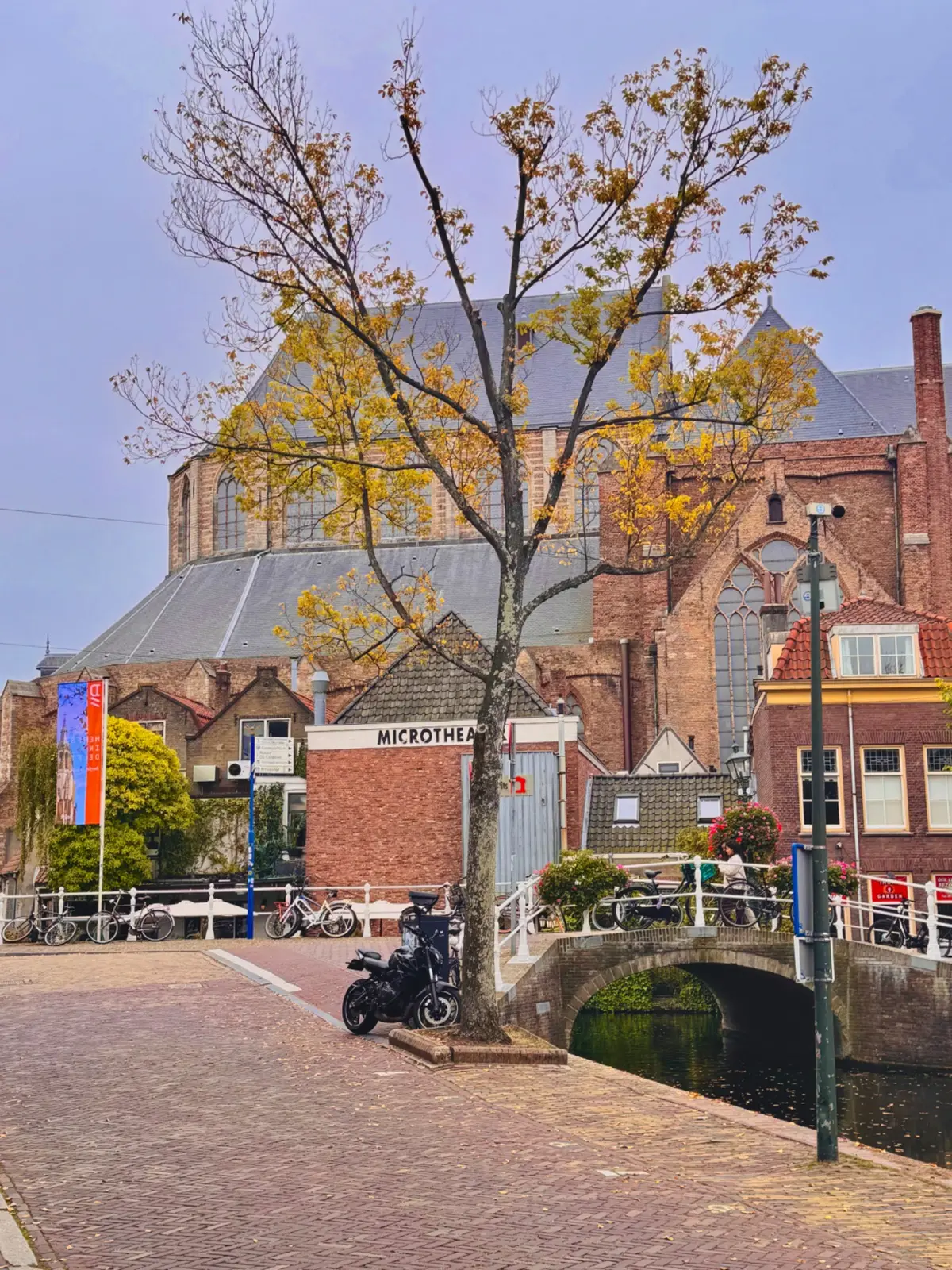
Junctions are one of the most important places to ride defensively.
A lot can happen at once:
- Cars turning across your path
- Vehicles pulling out
- Pedestrians crossing
- Cyclists appearing from the side
- Drivers misjudging your speed
- Vehicles blocking each other’s view
- Sudden stops
- Poor road surfaces
When approaching a junction, reduce your risk early.
Roll off the throttle slightly. Cover the brakes if needed. Check mirrors. Watch the wheels of waiting vehicles. Look for eye contact, but do not trust it completely. Position yourself where you are more visible and where you have space to respond.
Ask:
What is the most likely mistake someone could make here?
Then ride in a way that gives you time if that mistake happens.
If a car is waiting to turn across your lane, do not assume they will wait. Prepare for the possibility that they may go.
If a vehicle is waiting at a side road, do not assume they have judged your speed correctly. Prepare for them to pull out.
This is not negative thinking.
This is risk management.
Do Not Fight for Right of Way
This one took me time to fully respect.
Sometimes you have priority. Sometimes the rules are on your side. Sometimes the other person is clearly wrong.
But on a motorcycle, being right is not the same as being safe.
If someone starts moving into your space, let them make the mistake without turning it into a fight.
Do not accelerate to prove a point.
Do not hold your line out of pride.
Do not argue with a car using your body.
Do not let ego make safety decisions.
You can be right and still get hurt.
Defensive riding means choosing the outcome, not the argument.
Your goal is not to win traffic.
Your goal is to arrive.
Let the car go. Let the impatient rider pass. Let the aggressive driver disappear ahead.
Peace is a riding skill too.
Manage Your Lane Position
Lane position is one of your best tools for defensive riding.
Your position affects:
- How well others can see you
- How much of the road you can see
- How much space you have
- How early you can spot hazards
- How easily you can escape
Learn : How To Tackle Gravel & Slippery Roads
There is no single perfect lane position for every situation. You need to adjust based on traffic, road surface, visibility, weather and risk.
In general, choose a position that gives you the best combination of visibility, space and escape options.
For example:
- Move away from parked cars to avoid opening doors
- Avoid riding directly in the center of oil-stained lanes near junctions
- Position yourself where drivers are more likely to see you in mirrors
- Stay out of blind spots
- Create space from oncoming traffic on narrow roads
- Avoid riding too close to curbs where debris collects
A beginner mistake is staying fixed in one part of the lane all the time.
A defensive rider moves with purpose.
Not randomly. Not aggressively.
Purposefully.
Read the Road Surface
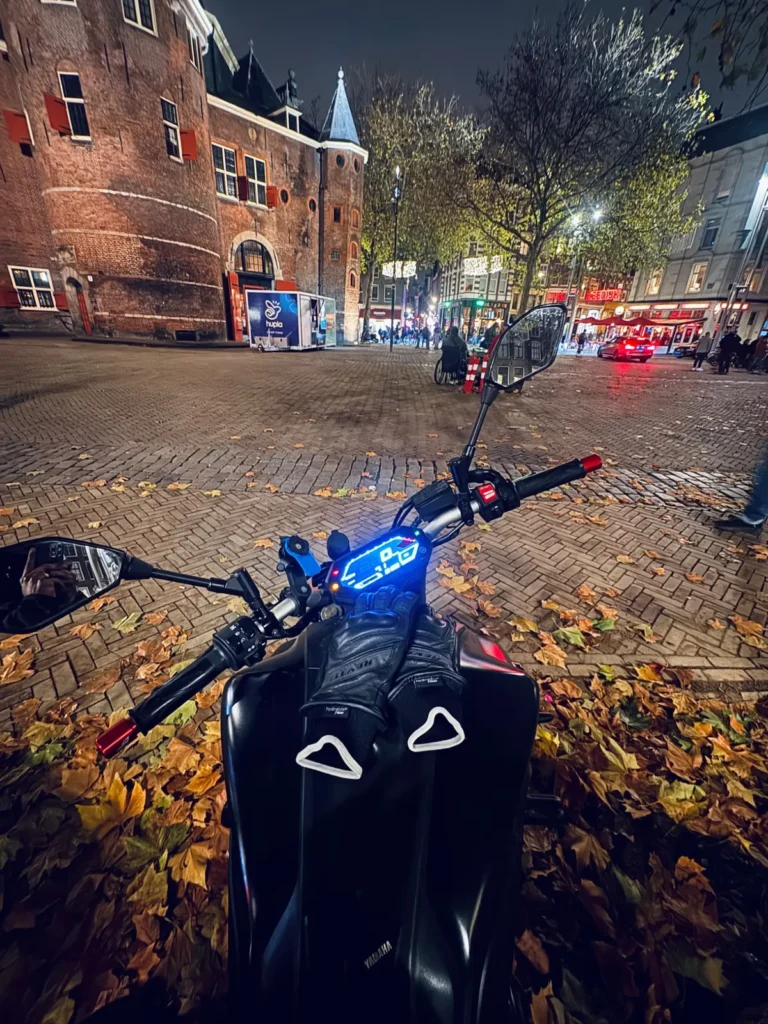
Defensive riding is not only about traffic.
The road itself can become a hazard.
Look for:
- Gravel
- Sand
- Oil
- Wet leaves
- Painted lines
- Metal covers
- Tram tracks
- Potholes
- Uneven surfaces
- Standing water
- Loose debris
This matters especially in cities, construction areas, parking lots, countryside roads and after bad weather.
If you see a hazard early, you can adjust smoothly. If you see it late, you may panic, brake suddenly or steer aggressively.
Your eyes should scan the surface ahead, especially before corners and junctions.
When road grip is uncertain, reduce lean angle, avoid sudden inputs and keep the motorcycle as upright as possible.
Smoothness is your friend.
The road gives clues. Look for them early.
Learn : How To Ride In Strong Winds
Stay Visible Without Becoming Unpredictable
Visibility matters, but visibility is not only about bright gear.
It is also about position, timing and movement.
To improve visibility:
- Avoid blind spots
- Use a lane position where drivers can see you
- Keep your lights working
- Wear gear with visible elements
- Avoid hiding behind large vehicles
- Signal clearly
- Brake early enough to show intention
- Move predictably
But do not confuse visibility with aggressive riding.
Weaving through traffic, making sudden moves or riding too close may make people notice you, but it does not make you safer.
The goal is to be visible and predictable.
Other road users should be able to understand what you are doing.
A calm rider is easier to read.
And easier to read often means safer.
Use Your Mirrors, But Do Not Trust Only Your Mirrors
Mirrors are important, but they do not show everything.
Use them often, especially before slowing, changing lane position, turning or stopping.
But combine mirrors with shoulder checks when needed.
Before moving across a lane or changing position, check:
- Mirror
- Signal if needed
- Shoulder check
- Move smoothly
Also pay attention to what is behind you when stopping. If a car is following too closely, brake earlier and more gradually if possible. Flashing your brake light gently before slowing can help alert the driver behind you.
At traffic lights, keep the bike in gear and watch your mirrors until the vehicle behind has stopped. Leave space in front so you can move if needed.
It may sound like a lot at first, but with practice it becomes natural.
Do Not Let Other Riders Pressure You
This is important.
Never let another rider decide your pace.
Group rides, social media clips, fast friends and ego can push beginner riders into situations they are not ready for.
Defensive riding includes defending yourself from pressure.
If someone rides faster than you, let them go.
If a group is moving too quickly, drop back.
If you feel uncomfortable, slow down.
If you need to stop, stop.
A good rider respects their own limits. A good riding friend respects them too.
There is no shame in riding your own ride.
There is danger in pretending.
Your skill will grow with time, but only if you give yourself enough time to grow.
Control Your Emotions
Emotional control is part of defensive riding.
Traffic can be frustrating. Drivers can be careless. People may cut you off, tailgate, block you or fail to see you.
The wrong reaction can make things worse.
Anger narrows your vision.
Fear makes you tense.
Ego makes you take risks.
Impatience makes you rush.
Stress makes you miss details.
When something happens, create space first. React later.
Do not chase.
Do not gesture aggressively.
Do not argue on the road.
Do not let one bad moment ruin the next ten minutes of riding.
Your motorcycle responds to your body. If you become tense, your inputs become tense too.
A calm rider has better hands, better eyes and better decisions.
Practice “What If?” Thinking
One of the simplest ways to become a better defensive rider is to ask “what if?” while you ride.
Not constantly in a stressful way, but calmly.
What if that car pulls out?
What if the van brakes suddenly?
What if there is gravel after this corner?
What if the cyclist moves left?
What if the pedestrian steps out?
What if the traffic light changes?
What if the driver behind does not stop?
This habit trains your brain to prepare early.
You are not predicting the future perfectly. You are staying mentally ready.
The more you practice this, the more natural it becomes. You start seeing patterns. You notice body language. You sense when something feels wrong.
That quiet awareness is one of the most valuable riding skills you can build.
Common Mistakes
| Mistake | Why It’s Risky | Better Habit |
|---|---|---|
| Assuming drivers have seen you | Motorcycles are easy to miss | Ride like you are invisible |
| Following too closely | Less time to react | Keep a larger safety gap |
| Sitting in blind spots | Drivers may change lanes into you | Stay visible or move away |
| Fighting for priority | Being right does not prevent injury | Let mistakes pass safely |
| Looking only at the vehicle ahead | You miss bigger traffic patterns | Scan far ahead |
| Riding emotionally | Anger and stress reduce judgement | Stay calm and create space |
| Ignoring road surface | Grip can change suddenly | Scan for gravel, paint, oil, and debris |
| Letting others set your pace | You may ride beyond your skill | Ride your own ride |
Check : Common Mistakes Beginner Riders Make
Defensive Riding Checklist for Beginners
Before and during your ride, keep this simple checklist in mind:
- Am I wearing proper gear?
- Is my motorcycle ready?
- Am I mentally focused?
- Do I have enough following distance?
- Am I visible to other road users?
- Am I avoiding blind spots?
- Do I have an escape path?
- Am I scanning far enough ahead?
- Am I watching junctions carefully?
- Am I riding within my own limits?
- Am I calm enough to make good decisions?
You do not need to be perfect.
You just need to keep improving your awareness, one ride at a time.
Read : What To Do After A Crash
Final Thoughts: Defensive Riding Is Freedom
Some riders think defensive riding sounds boring.
I see it differently.
Defensive riding gives you more freedom because it gives you more control.
When you see danger earlier, you ride smoother.
When you create space, you feel less rushed.
When you stop fighting for priority, you feel calmer.
When you ride within your limits, you enjoy the ride more.
When you trust your awareness, you become more confident.
The goal is not to be afraid of traffic.
The goal is to understand it.
A defensive rider is not weak. A defensive rider is skilled, patient, observant and hard to surprise.
That is the kind of rider I want to become every time I get on the bike.
Not the loudest.
Not the fastest.
Not the most aggressive.
The rider who comes home safe, learns from every ride and gets to ride again tomorrow.
FAQs
What is defensive motorcycle riding?
Defensive motorcycle riding means anticipating danger before it becomes urgent. It involves creating space, staying visible, avoiding blind spots, reading traffic patterns and preparing for mistakes from other road users.
Is defensive riding only for beginners?
No. Defensive riding is useful for every rider, beginner or experienced. Advanced riders still need awareness, space, visibility and good judgement.
How can beginner riders practice defensive riding?
Beginner riders can practice by keeping more following distance, scanning farther ahead, avoiding blind spots, slowing down near junctions, watching vehicle wheels and always leaving an escape path.
Should I always assume drivers cannot see me?
Yes, that is a useful safety mindset. You should position yourself to be seen, but never rely completely on other road users noticing you.
What is the most important defensive riding habit?
The most important defensive riding habit is creating space. Space gives you time to see, think, brake, steer and avoid danger.
How do I stay calm when another driver makes a mistake?
Create space first. Do not chase, argue or react emotionally. Let the mistake pass and focus on staying safe. Emotional control is part of good riding.
Related Reads
Top 10 Safety Tips for Beginner Riders
Safe Braking Techniques For Motorcycles
Motorcycle Safety for Beginners: The Complete Guide to Riding Smart